


How Changing Social Media Consumer Behavior Impacts Graphic Design Strategies
Understanding evolving consumer habits on social platforms and adapting design strategies for engagement and conversion.

In today’s fast-paced digital landscape, social media isn’t just a platform for connection; it’s a dynamic marketplace where consumer behaviors are constantly evolving. For Visual Thinkers – business owners, content creators, digital marketers, and designers – understanding these shifts in Social Media Consumer Behavior is no longer optional; it’s fundamental to crafting impactful graphic design strategies that resonate and convert.
The way audiences interact with brands, consume content, and make purchasing decisions has been profoundly reshaped by social media. From the rise of authentic, user-generated content to the demand for personalized experiences, the implications for visual communication are vast. This article will delve into these critical transformations, offering actionable insights to help you adapt your design approach and ensure your brand not only stands out but truly connects with your target audience.
The Dynamics of Consumer Behavior in the Digital Era

The digital era has ushered in an unprecedented level of connectivity and information accessibility, fundamentally altering how consumers engage with brands. Gone are the days when passive consumption was the norm. Today’s consumers are active participants, co-creators, and vocal critics, shaping narratives and demanding transparency. This shift has placed immense pressure on brands to evolve their digital marketing and design strategies, moving away from one-size-fits-all approaches towards more nuanced and responsive models. Understanding the underlying psychology of this new consumer is the first step in creating effective graphic design that captures attention and fosters loyalty.
Key Shifts in Social Media Consumer Behavior
Observing the patterns of Social Media Consumer Behavior reveals several significant shifts. First, there’s a clear move from polished, aspirational content to raw, relatable, and authentic visuals. Users crave genuine connections, often preferring content that reflects real-life scenarios over highly curated, commercialized imagery. Second, the demand for instant gratification and seamless experiences has grown exponentially, driven by the immediacy of social platforms. Finally, consumers are increasingly seeking personalized interactions and content tailored specifically to their interests and past behaviors, a trend that significantly influences current graphic design trends.


The Importance of Authentic and Interactive Visual Content
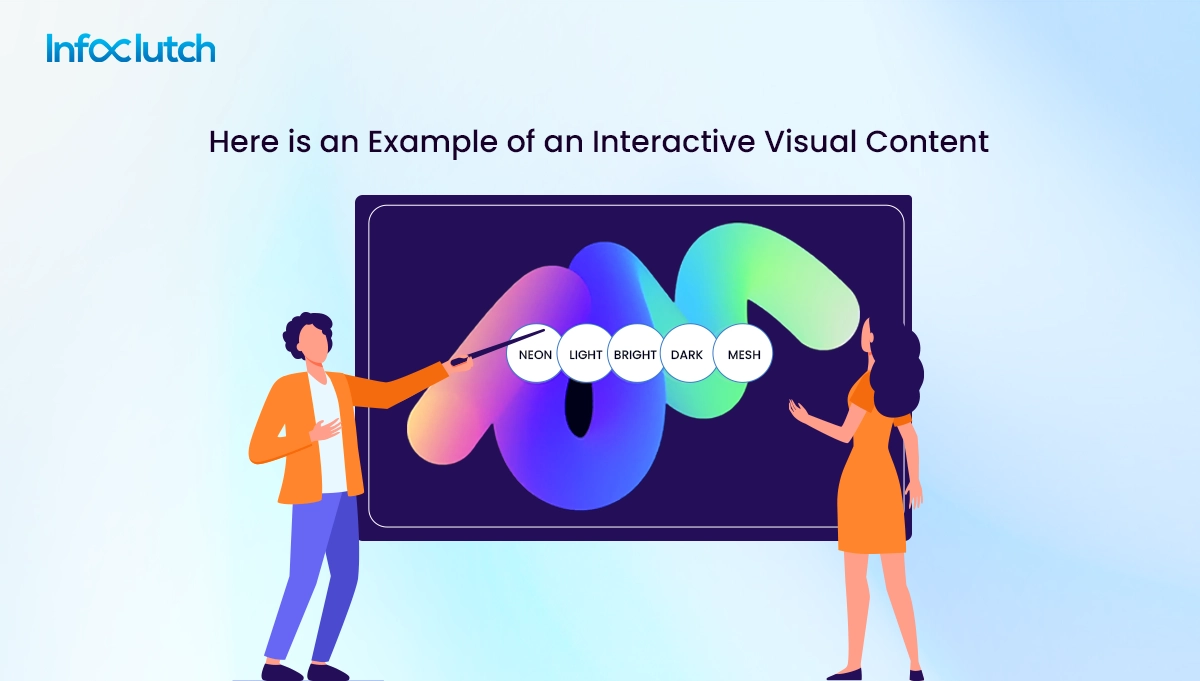
In a world saturated with advertising, Authenticity (in content) has become the gold standard for building trust and resonance. Visual Thinkers must recognize that consumers are savvier than ever, capable of distinguishing genuine content from overtly promotional material. This means incorporating more real-life imagery, user-generated content, and behind-the-scenes glimpses into your visual communication strategy. Furthermore, interactive visuals – polls, quizzes, augmented reality filters, and swipe-up stories – are crucial. They don’t just grab attention; they foster Engagement Rate by inviting participation, making the consumer feel more connected to the brand narrative.
Personalization in Design for Enhanced Engagement
The era of mass marketing is fading, replaced by a preference for tailored experiences. Personalization in design leverages data to create visuals that speak directly to individual users. Imagine social media ads that adapt their visuals based on a user’s browsing history, or content recommendations that feature designs aligned with their stated preferences. This level of customization significantly boosts user engagement and can lead to higher conversion rates. By understanding your audience segments through data analytics, designers can craft visual narratives that feel uniquely crafted for each individual, fostering a stronger, more personal bond with the brand.
Responsive and Mobile-Friendly Design: A Necessity
With the vast majority of social media access occurring on mobile devices, adopting a Mobile-First Design approach is no longer a best practice; it’s an absolute imperative. Visual Thinkers must prioritize designing for smaller screens, ensuring that images, text, and interactive elements are perfectly legible and functional on smartphones. This extends beyond merely shrinking desktop designs; it involves reimagining layouts, optimizing image sizes for quick loading, and simplifying interfaces to ensure a seamless experience. Neglecting mobile design means alienating a significant portion of your audience, directly impacting user engagement and brand perception.
The Impact of UI/UX Design on User Experience

A beautifully designed graphic can be undermined by a poor user experience. This is where UI/UX Design comes into play. User Interface (UI) refers to the visual elements users interact with, while User Experience (UX) is the overall feeling and ease of use when interacting with a product or service. On social media, intuitive navigation, clear calls to action, and visually appealing layouts contribute significantly to how users perceive and interact with your content. A smooth and enjoyable UX encourages longer dwell times, more interactions, and a greater likelihood of conversion, making it a critical component of any effective graphic design strategy.
Data Analysis for Optimizing Design Strategies
In the digital age, data is king. For Visual Thinkers, leveraging social media analytics offers invaluable insights into Social Media Consumer Behavior. By meticulously analyzing metrics such as Engagement Rate, click-through rates, and conversion paths, designers can move beyond guesswork. A data-driven approach allows for the refinement of visual elements, testing different color palettes, typography, and image styles to see what truly resonates with the audience. This iterative process of analysis and optimization is essential for maximizing the impact of your digital marketing campaigns and ensuring your visual communication is always performing at its peak.
Case Studies: Brands That Successfully Adapted
Numerous brands have successfully navigated the complexities of evolving Social Media Consumer Behavior by strategically adapting their graphic design. Consider brands that have pivoted from purely product-focused visuals to incorporating community-driven content, embracing user-generated testimonials, or even launching interactive AR filters that allow consumers to virtually ‘try on’ products. These successes often highlight a willingness to experiment, a deep understanding of their audience’s preferences for authenticity and personalization, and a commitment to responsive design that prioritizes the mobile experience. Their journeys serve as powerful examples of how innovative visual communication can lead to profound brand loyalty and market leadership.
Challenges and Opportunities for Graphic Designers
The dynamic nature of Social Media Consumer Behavior presents both significant challenges and exciting opportunities for graphic designers. The challenge lies in staying abreast of ever-changing platforms, algorithms, and consumer preferences, constantly refining skills in mobile design, UI/UX, and interactive media. However, these challenges also open doors to incredible opportunities. Designers who can master authentic storytelling, create personalized experiences, and skillfully utilize data to inform their decisions will become invaluable assets. The demand for creative professionals who can effectively translate brand messages into engaging, user-centric visual communication has never been higher, solidifying the importance of adapting to new graphic design trends.
Conclusion: Embracing Innovation in Design
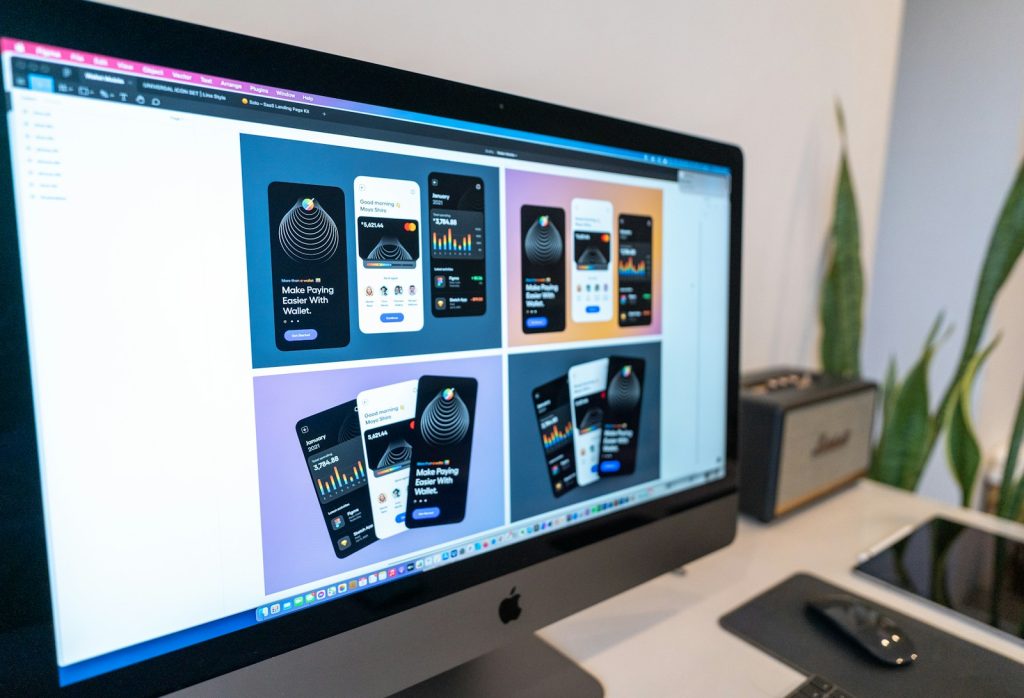
The evolving landscape of Social Media Consumer Behavior unequivocally dictates a need for adaptable and forward-thinking graphic design strategies. For Visual Thinkers, this means embracing authenticity, championing Personalization, prioritizing Mobile-First Design, and intricately understanding the nuances of UI/UX Design. By committing to these principles, informed by robust data analysis, you can ensure your visual content cuts through the digital noise and fosters meaningful connections.
The future of visual communication on social media is not about following trends but about understanding the core human desire for genuine interaction and personalized experiences. Your brand’s success hinges on your ability to not only meet but anticipate these evolving demands through innovative and empathetic design. Continue to learn, adapt, and experiment, and your visual presence will undoubtedly thrive.
Ready to elevate your brand’s visual communication and master the art of impactful graphic design in the age of dynamic Social Media Consumer Behavior? Explore expert insights and services to refine your strategy. Visit CiptaVisual today to transform your digital presence and capture the hearts and minds of your audience. Have specific questions or need tailored design solutions? Don’t hesitate to Contact Us!
✍️ https://www.nngroup.com/articles/social-media-design-principles/, https://blog.hubspot.com/marketing/social-media-trends, https://www.adobe.com/creativecloud/design/trends.html, https://www.pewresearch.org/internet/, https://www.forbes.com/sites/forbesagencycouncil/2023/10/26/the-evolving-consumer-behavior-and-marketing-strategies-on-social-media/
Watch, Learn, and Grow: Our Top YouTube Picks
Discover more from CiptaVisual
Subscribe to get the latest posts sent to your email.