
Google Volatility Spike: Navigating July 2026 SERP Shake-Up
Unpack the late July ranking turbulence, AI Overview shifts, and how to audit your site without panic.

Between July 23 and July 26, 2026, webmasters and digital strategists witnessed an unexpected Google volatility spike that sent rank-tracking dashboards into high alert. SERP tracking sensors lit up with red-hot temperature readings reminiscent of a major core algorithm release. Yet, looking at the official Google Search Status Dashboard revealed complete radio silence. No official announcement, no confirmed rollout, and no public guidance were issued.
For site owners, creative agencies, and organic growth leads, this gap between tool metrics and official communication creates immense friction. Sudden rank adjustments can jeopardize revenue overnight. To protect your search footprint, you need a clear breakdown of what happened, why search results surged with instability, and how to respond rationally rather than reacting with reckless site modifications.
What Actually Happened: Tracking the July 23–26 Volatility Spike
On the morning of July 23, automated monitoring platforms registered extreme automated movement across commercial and informational SERPs alike. Position changes were not isolated to a single vertical. Niche review sites, local service provider listings, e-commerce categories, and enterprise SaaS platforms all experienced rapid positioning shifts within a tight 72-hour window.
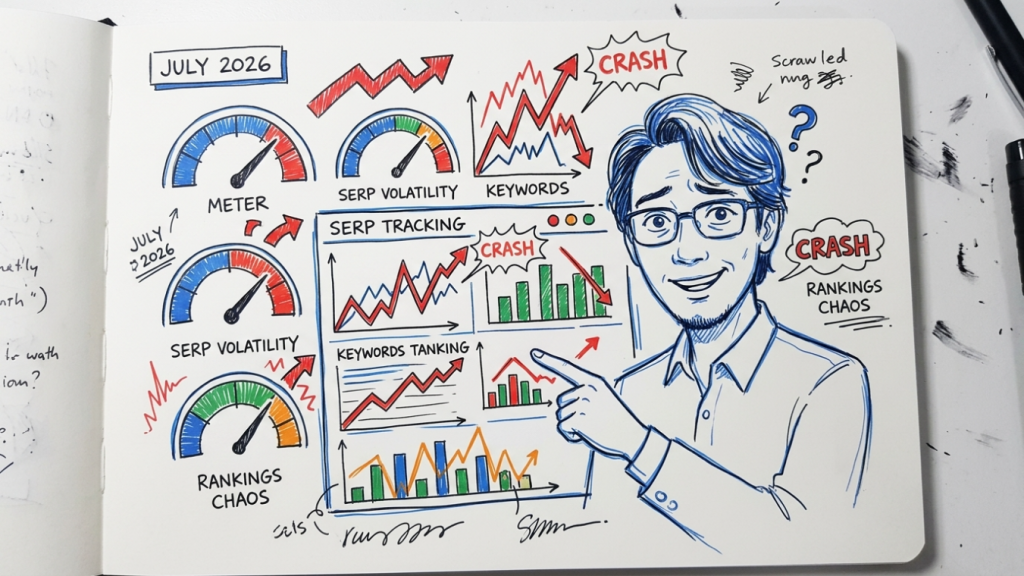
Initial telemetry showed URLs jumping 5 to 15 positions up or down within a single refresh cycle. Many URLs vanished from top ten results entirely, only to reappear two days later in slightly altered arrangements. This classic “search churn” often signals backend model recalibrations or real-time index re-evaluations.
Tool Signals vs. Official Silence — Reading the Dashboard Gap
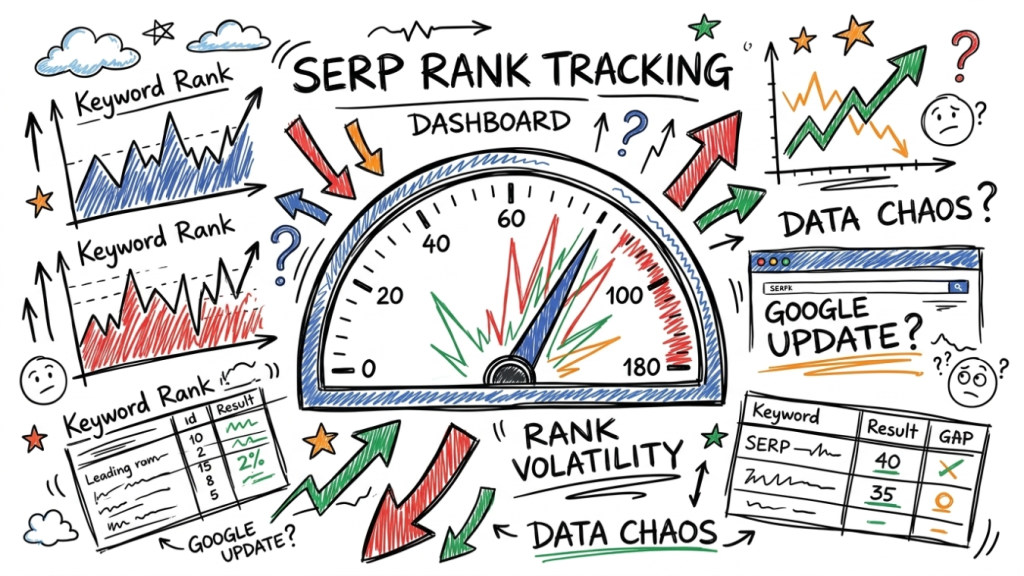
Third-party measurement systems like Semrush Sensor, MozCast, and Wincher registered volatility indices exceeding 8.8 out of 10. In historical context, numbers above 8.0 usually correspond with announced Google core updates. Despite these numbers, Google maintained its stance that standard continuous updates were taking place behind the scenes without warranting a public name or dedicated confirmation.
💡 Tip: Dashboard spikes measure structural ranking changes across monitored keyword databases, not direct traffic losses on your individual domain. Always cross-verify automated tool alarms with your primary Google Analytics 4 and Search Console property data before taking action.
A Summer of Turbulence: The 2026 Google Update Timeline So Far
The late-July disturbance did not occur in isolation. Summer 2026 has been marked by continuous algorithmic adjustments aimed at refining generative answer systems and filtering low-effort automated content across global indices.
From the May Core Update to the 7-Eleven Blip and Beyond
To understand the current state of search, we must examine the sequence of events over the preceding quarter:
- May 2026 Broad Core Update: A heavily publicized update targeting helpfulness, original commentary, and explicit source authority across informational queries.
- Late June Structural Recalibration: An unconfirmed mini-shakeup that reshuffled local search packs and service-area business maps.
- Mid-July Indexing Glitch (“7-Eleven Blip”): A transient technical issue around July 11th where canonical selection models mistakenly swapped primary URLs for parameter strings, causing temporary dropouts.
- July 23–26 Unconfirmed Volatility Surge: The subject of our current analysis—a major rank disturbance impacting long-tail queries and transactional keywords.
This relentless cycle leaves little downtime for SEO teams. Understanding how these developments intersect with overall optimization standards requires reviewing our comprehensive SEO CiptaVisual on sustainable organic visibility.
What the SEO Community Is Saying — and What to Take Seriously
Discussion threads across WebmasterWorld, Reddit’s r/SEO, and digital marketing communities exploded during the final week of July. Reports varied wildly. Independent affiliate publishers reported traffic drops reaching 40%, while brand-heavy e-commerce stores reported subtle gains in impressions without matching click growth.
📝 Note: Community chatter tends to lean heavily negative because impacted site managers post immediately, while those who gained rankings rarely comment. Filter out panic by looking for pattern consistency across multiple verified properties.
A noticeable trend in community reports was the disproportionate impact on sites heavily reliant on AI-synthesized content aggregations without unique primary research or distinct visual assets. Webmasters running deep human-curated resources with explicit author citations fared noticeably better during the late-July re-indexing.
AI Overviews, Zero-Click Results, and the New Traffic Equation
One primary driver behind the observed rank volatility is the expanding integration of Google AI Overviews across desktop and mobile queries. When Google expands AI answer blocks into new query verticals, traditional blue-link organic results are pushed lower down the physical viewpoint.
Rank tracking software measures position based on structural HTML hierarchy. If an AI Overview panel inserts itself at position zero, your top-three organic placement might technically drop in visual impression priority even if your underlying numerical rank remains unchanged. This creates a virtual organic traffic loss without an actual drop in classic keyword placement.
To evaluate these shifts accurately, reference official guidelines like the Google Search Central Documentation alongside industry reporting from trusted news outlets like Search Engine Land.
How to Diagnose Whether Your Site Was Actually Hit
Before making radical technical edits, determine whether your analytics drop reflects an algorithmic reassessment or a simple reporting artifact. Follow this step-by-step diagnostic workflow:
- Isolate Traffic Channels: Verify in GA4 that the decline is restricted strictly to Google Organic Search, rather than across Direct, Social, or Paid channels.
- Check Query Intent Segments: Open Google Search Console and compare the period of July 23–30 against the prior month. Determine if clicks fell across informational queries, branded terms, or commercial transactional pages.
- Examine Impression-to-Click Ratio: If impressions remain stable while clicks drop precipitously, an expanded AI Overview or layout feature is taking zero-click traffic. If both impressions and clicks plunge together, your position ranking was downgraded.
- Inspect URL-Level Distribution: Did the loss happen domain-wide, or is it concentrated on a specific subfolder or content template?
E-E-A-T, YMYL Pages, and Thin Content — The Usual Suspects
If your diagnostic check reveals a genuine position loss, the root cause often traces back to Google’s automated quality classifiers. Pages covering Your Money Your Life (YMYL) topics—such as financial advice, health details, or critical business decisions—face elevated scrutiny regarding Experience, Expertise, Authoritativeness, and Trustworthiness (E-E-A-T).
Unconfirmed update sweeps frequently target content that lacks demonstrated personal experience, clear editorial accountability, or fresh visual evidence. Standard rehashes of third-party articles usually experience significant ranking decay during these algorithmic recalibrations.
What Not to Do: Avoiding Self-Inflicted Damage During Unconfirmed Updates
When rankings shift rapidly, human instinct urges immediate intervention. Unnecessary fixes applied while algorithmic indexes are settling frequently compound existing ranking losses.
⚠️ Warning: Avoid disavowing backlink files, changing URL structures, mass-deleting pages, or rewriting title tags across hundreds of pages simultaneously during active volatility windows. Let search indexes stabilize fully first.
Here are three major mistakes site operators must avoid during an unconfirmed update phase:
| Reaction Mistake | Why It Harms Your Site | Correct Strategic Alternative |
|---|---|---|
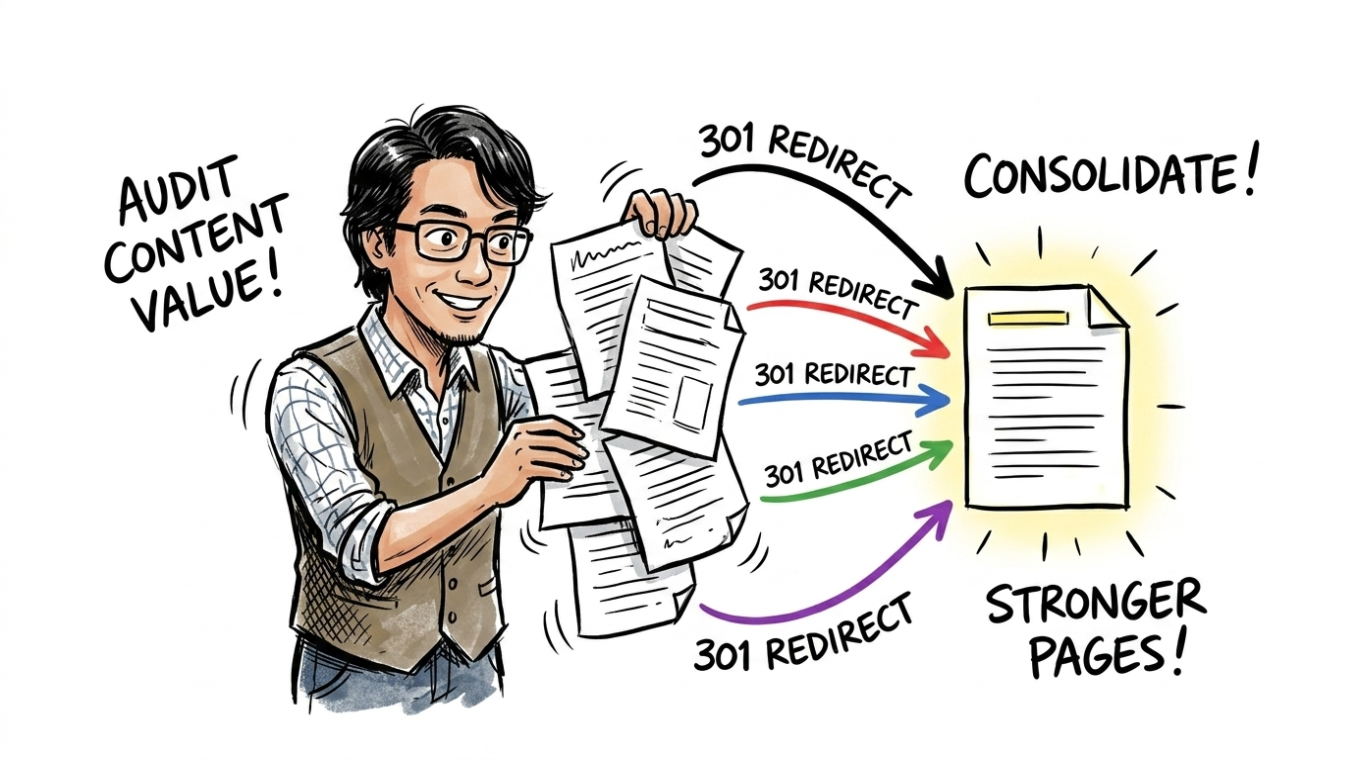
| Mass Content Deletion | Destroys internal link equity and indexed context prematurely. | Audit content value; consolidate overlapping pages with 301 redirects. |
| Bulk URL/Slug Rewriting | Forces Google to crawl and re-index new structural routes during volatility. | Keep existing permalinks stable; optimize on-page copy and metadata. |
| Aggressive Link Disavowing | Removes backlink signals that may actually be supporting current rankings. | Only disavow proven manual action triggers or severe spam attacks. |
A Calm, Actionable Response Plan for Marketers and Site Owners
Instead of panicking, execute a structured recovery and stabilization roadmap designed to improve site quality sustainably.
First, give the algorithm time to finalize data passes. Algorithmic adjustments often undergo post-rollout balancing over a 10 to 14-day window. Unannounced updates frequently experience partial rollbacks if automated quality classifiers trigger unintended search quality issues.
Second, audit your top-performing landing pages for content depth and unique design layout. Replacing generic stock images with custom diagrams, infographics, and clear data visuals strengthens content authority instantly. If your team requires tailored strategic assistance, consider engaging our website for structured technical reviews.
Third, optimize specifically for generative answer inclusion. Structure informational articles with clear definition sentences, comparative tables, and explicit step-by-step lists. This ensures your brand content remains eligible for inclusion within AI Overviews, turning potential zero-click threats into direct referral sources.
Confirmed vs. Unconfirmed Updates: Strategic Comparison
Navigating Google’s changing index requires understanding how official announcements differ from unannounced ranking updates:
| Feature Dimension | Confirmed Google Update | Unconfirmed Volatility Spike |
|---|---|---|
| Official Announcement | Logged on Search Status Dashboard | No public statement or log entry |
| Rollout Timeline | Typically lasts 7 to 14 standard days | Spikes suddenly over 48–72 hours |
| Targeted Signal | Broad core, spam, or helpfulness systems | Micro-adjustments, index refreshes, or UI tests |
| Recommended Action | Align with specific update documentation | Monitor Search Console; avoid immediate site changes |
Frequently Asked Questions (FAQ)
Q1: Why does Google run update spikes without confirming them?
Google modifies its search algorithms thousands of times per year. Official announcements are reserved for major structural core releases that affect vast portions of global queries. Smaller system recalibrations and real-time index updates occur continuously without official notice.
Q2: How long should I wait before editing pages that lost traffic during the July 2026 spike?
Wait at least 10 to 14 days following a sudden volatility spike. Premature modifications made while rankings are active in re-indexing can confuse search crawlers and prolong ranking recovery.
Q3: Can AI Overviews cause my traffic to drop even if my positions remain unchanged?
Yes. When Google introduces or expands an AI Overview block above organic web links, users often find immediate answers on the search result page without clicking external links, leading to decreased organic click-through rates despite stable positional metrics.
Q4: What is the single best way to protect a site from future unconfirmed algorithm updates?
Focus on publishing high-value content anchored by verified human expertise, original images or research, and clear site taxonomy. Web properties built around strong brand entity recognition and transparent E-E-A-T signals consistently withstand automated ranking fluctuations best.
Discover more from CiptaVisual
Subscribe to get the latest posts sent to your email.


