


Flat Design vs. Skeuomorphism: Which Endures and Why?
Unpacking the endurance of flat aesthetics against realistic skeuomorphic interfaces in the ever-evolving digital landscape.

As Visual Thinkers, we often find ourselves at the crossroads of aesthetics and functionality in the digital realm. The evolution of digital design has been a fascinating journey, constantly shaped by technological advancements and shifting user expectations. Two dominant philosophies have emerged and contended for supremacy: Flat Design and Skeuomorphism. Both have left indelible marks on our screens, influencing everything from smartphone interfaces to vast websites. But in the long run, which style truly stands the test of time, and more importantly, why?
Understanding this ongoing debate is crucial for anyone involved in visual communication, digital branding, or UI/UX design. Your choice of design philosophy can significantly impact user engagement, brand perception, and the overall longevity of your digital presence. Today, we’ll delve deep into the characteristics, advantages, and disadvantages of both Flat Design and Skeuomorphism, exploring the trends that have shaped their trajectories and what their future might hold for your projects and audience.
Design in Motion: Tracing the Evolution of Digital Creativity

credit
The journey of digital design is a testament to constant innovation. From early, text-based interfaces to the rich, interactive experiences we enjoy today, every iteration has aimed to make technology more accessible and intuitive. Initially, designers leaned heavily on metaphors from the physical world, leading to the rise of Skeuomorphism. This approach sought to bridge the gap between the unfamiliar digital landscape and our tangible experiences, making digital interactions feel natural and familiar. However, with the advent of new technologies and the pervasive rise of mobile devices, a counter-movement gained traction, ushering in the era of Flat Design – a style prioritizing simplicity and clarity above all else. This ongoing design trends shift highlights the dynamic nature of visual communication in the digital age.
Flat Design Explained: Key Traits and the Thinking Behind It
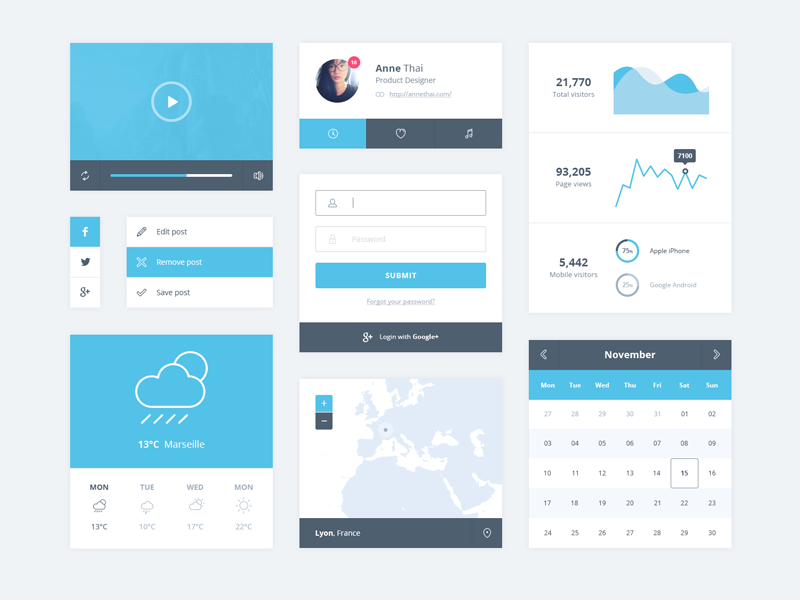
Flat Design is a minimalist user interface design style that emphasizes simplicity, clean lines, open space, and bright colors, eschewing shadows and textures for a two-dimensional look. At its core, Flat Design: Simplicity and Usability is paramount. It strips away any three-dimensional effects, gradients, bevels, or drop shadows, creating interfaces that are straightforward and unambiguous. The philosophy behind Flat Design is rooted in the belief that digital interfaces should not try to mimic physical objects but rather celebrate their inherent digital nature. This results in faster loading times, especially crucial for web design and mobile applications, and makes interfaces inherently more adaptable for Responsive Design across various screen sizes. Visual Thinkers appreciate its directness and focus on content.

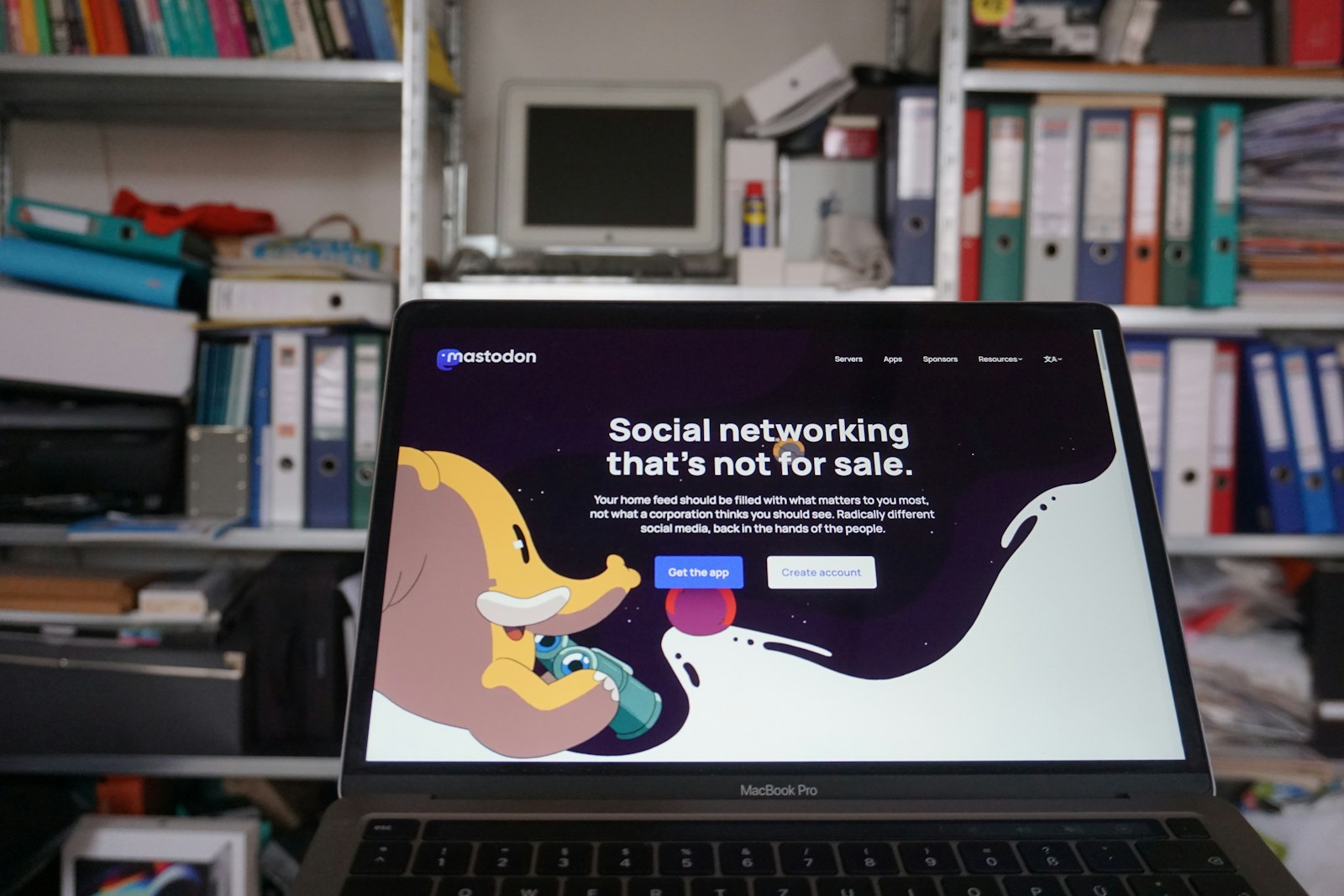

Skeuomorphism Explained: Traits, Purpose, and Design Thinking Behind It

In stark contrast, Skeuomorphism is a design principle that mimics real-world objects, textures, and metaphors in digital interfaces to provide familiarity and intuitive interaction. Think of early iPhone apps with their realistic calendar pages, calculator buttons, or iBooks bookshelves. The guiding principle behind Skeuomorphism: Familiarity and Realism aims to make new digital tools feel instantly recognizable and easy to use by drawing parallels to physical objects we already understand. This approach was incredibly effective in the early days of personal computing and smartphones, helping users transition smoothly into unfamiliar digital environments. It provided a comfortable and tangible feel, making complex digital functions seem less daunting by cloaking them in familiar visual cues.
Flat but Functional: The Ups and Downs of Minimalist Design
Advantages of Flat Design: Focus Keyword
- Clarity and Simplicity: With minimal distractions, content takes center stage, making interfaces easy to understand and navigate. This directly enhances UI/UX design.
- Faster Performance: The lack of heavy textures and gradients means smaller file sizes, leading to quicker loading times for websites and apps – a critical factor for modern web design and user retention.
- Adaptability for Responsive Design: Flat Design elements are inherently easier to scale and adapt across various screen sizes and resolutions, making them ideal for multi-device experiences.
- Modern Aesthetic: It projects a clean, contemporary, and professional image, which is excellent for digital branding.
- Easy to Implement: Simpler aesthetics often translate to quicker design and development cycles.
Disadvantages of Flat Design: Focus Keyword
- Lack of Depth/Affordance: Sometimes, the absence of visual cues like shadows can make it difficult for users to distinguish interactive elements from static ones, leading to confusion about what is clickable.
- Can Feel Generic: Without distinct textures or elaborate details, some Flat Design interfaces can appear similar, potentially lacking unique character.
- Over-simplification: In an attempt to be minimal, crucial information or functionality might be hidden or become less obvious.
Realistic Interfaces, Real Trade-offs: The Skeuomorphic Design Debate
Advantages of Skeuomorphism
- Intuitive Familiarity: Users instinctively understand how to interact with elements that resemble real-world objects, significantly lowering the learning curve for new digital tools. This is a core strength for early UI/UX design adoption.
- Rich Visual Appeal: Skeuomorphic designs often feature detailed textures, realistic shadows, and intricate graphics, offering a visually engaging experience.
- Strong Brand Identity: The ability to infuse personality and unique visual metaphors can create a memorable and distinctive digital branding identity.
Disadvantages of Skeuomorphism
- Can Appear Dated: As trends shift, overly realistic designs can quickly look old-fashioned, detracting from a modern brand image.
- Performance Issues: The detailed graphics and textures often result in larger file sizes, slowing down load times, which is detrimental for web design and mobile user experience.
- Less Flexible for Responsive Design: Adapting complex, highly detailed skeuomorphic elements across different screen sizes can be challenging and time-consuming.
- Visual Clutter: Excessive realism can sometimes lead to cluttered interfaces, making it harder to discern essential information.
The Rise of Flat Design: What’s Driving the Shift?
The evolution of design trends is a fascinating study in responsiveness to technological shifts. The dominance of Flat Design can be largely attributed to the mobile revolution. As smartphones and tablets became ubiquitous, the need for interfaces that were lightweight, fast-loading, and easily adaptable to diverse screen sizes became paramount. Skeuomorphism, with its often heavy graphics and fixed dimensions, proved cumbersome for this new multi-device reality. Flat Design, by contrast, offered a streamlined aesthetic that perfectly suited the demands of Responsive Design. It allowed for quicker development cycles, better performance, and a cleaner, more focused user experience, aligning perfectly with the modern paradigm of efficiency and immediacy in digital branding and communication. This pivot wasn’t just aesthetic; it was a pragmatic response to the changing landscape of how we interact with technology.
Blending Styles: Material Design Meets Neumorphism

credit
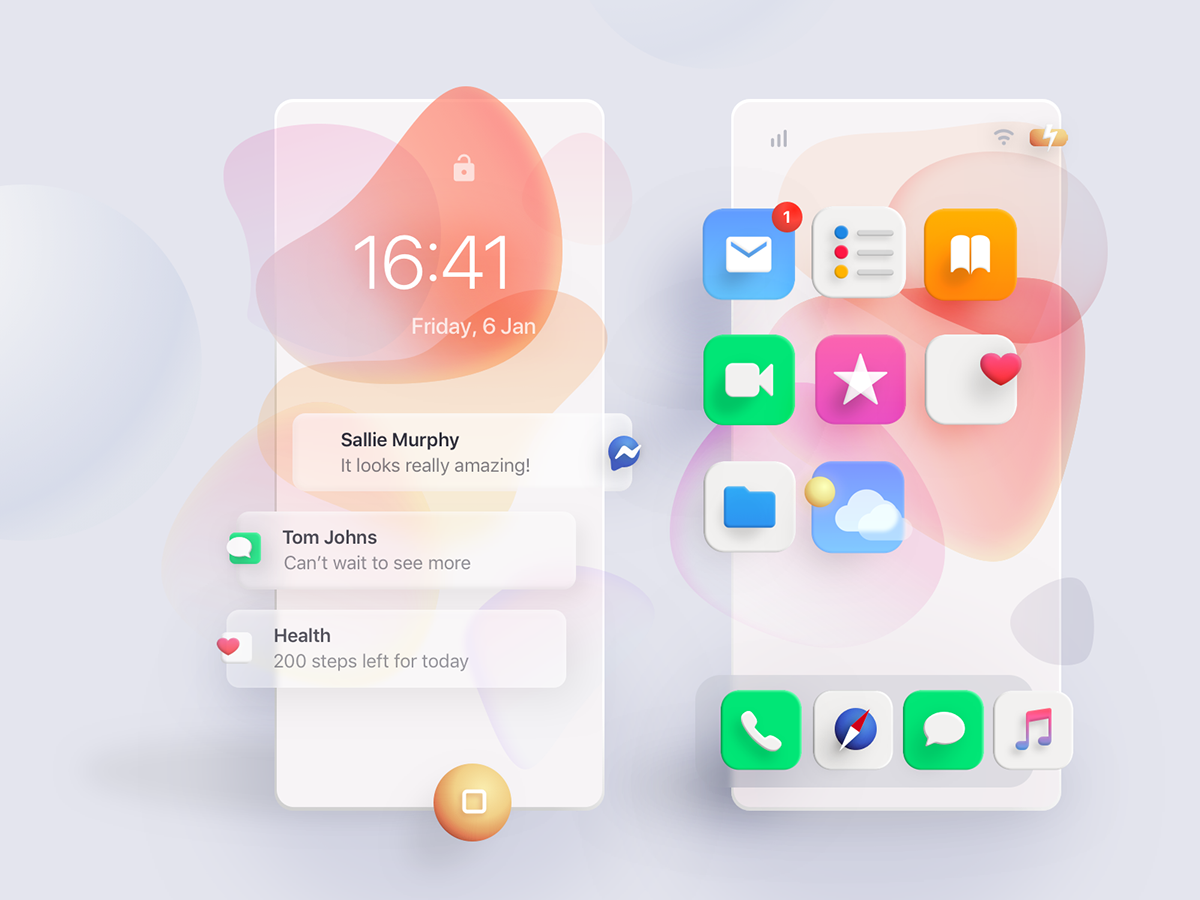
While the debate between Flat Design and Skeuomorphism often feels like a dichotomy, the reality of design evolution often favors synthesis. Hybrid approaches have emerged, seeking to leverage the best of both worlds. A prime example is Material Design, a design language developed by Google that combines the classic principles of good design with the innovation of technology, using a ‘material’ metaphor with shadows and motion. Hybrid Approaches: Material Design’s Influence is undeniable; it embraces the clean aesthetic of Flat Design but reintroduces subtle skeuomorphic cues like shadows and layered elements to provide a sense of hierarchy and affordance. This intelligent blend helps users understand interaction possibilities without resorting to overt realism. Another notable hybrid, Neumorphism, emerged more recently, attempting to create a soft, extruded plastic look, though its usability and accessibility have been debated within the UI/UX design community. These hybrids demonstrate a continuous effort to refine digital aesthetics for optimal user experience.
What Makes Design Sustainable: Key Drivers and Principles
So, which design endures? Ultimately, the longevity of a design style is not about its inherent aesthetic but its adaptability to new technologies and its ability to provide a superior, intuitive user experience. Adaptability and User Experience Define Longevity. A design must be flexible enough to evolve with new platforms, screen sizes, and user interaction methods. For Visual Thinkers, this means considering factors like future-proofing, ease of maintenance, and the overall impact on the user journey. The most enduring designs are those that serve the user’s needs effectively, remain visually appealing without becoming a hindrance, and can seamlessly integrate into a responsive digital ecosystem. Whether it leans towards Flat Design‘s minimalism or incorporates subtle skeuomorphic cues, the focus should always be on clarity, efficiency, and user satisfaction, ensuring your web design and digital branding remain relevant.
Design Decisions That Shape Your Brand and Digital Presence
creddit
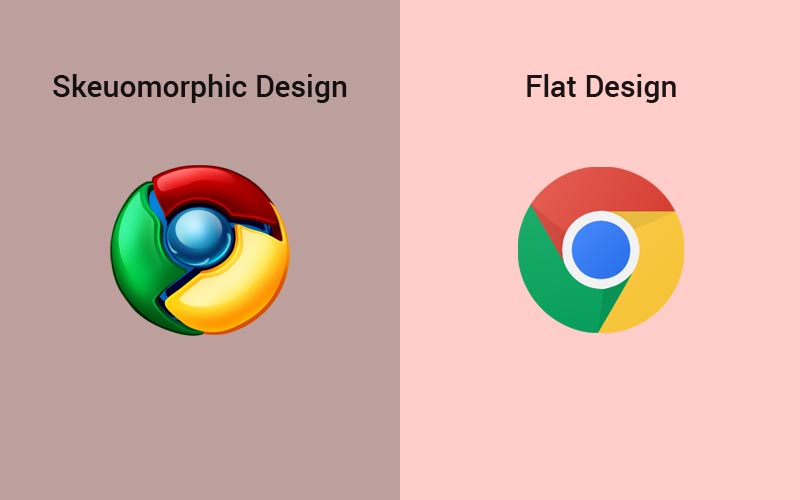
For business owners, content creators, and digital marketers, the choice between Flat Design and Skeuomorphism (or a hybrid) has significant implications for digital branding and marketing strategies. A brand’s visual identity, including its logo, website, and app interfaces, communicates its values and personality. A clean, modern Flat Design can convey innovation, efficiency, and forward-thinking. In contrast, a touch of Skeuomorphism might evoke feelings of familiarity, reliability, and craftsmanship, depending on the context. The key is consistency and alignment with your target audience’s expectations and your brand’s core message. Your chosen style impacts everything from conversion rates on your website to the perceived trustworthiness of your mobile application. Therefore, understanding these design trends is not merely an aesthetic exercise but a strategic business decision for effective visual communication.
Final Thoughts: Why Adaptability Drives Design Success
In the dynamic world of digital design, the debate between Flat Design and Skeuomorphism is less about one being inherently ‘better’ than the other, and more about context, purpose, and adaptability. While Flat Design has largely dominated recent years due to its efficiency and responsiveness, the subtle reintroduction of depth and realism in hybrid approaches like Material Design shows that designers are constantly seeking a balance. The true winner, Visual Thinkers, is the design that best serves its users, provides an intuitive experience, and can gracefully evolve with technology. The most successful web design and digital branding initiatives are those that remain flexible and user-centric, adapting to new challenges and opportunities.
Ultimately, the longevity of any design trend, be it Flat Design or Skeuomorphism, hinges on its ability to enhance UI/UX design and remain relevant in a constantly shifting digital landscape. It’s about making thoughtful choices that resonate with your audience and support your brand’s objectives, rather than blindly following the latest fad. Embrace designs that are not just beautiful, but also functional, accessible, and enduring.
Ready to elevate your visual communication and ensure your digital branding stands the test of time? Let us help you navigate the complexities of modern design to create interfaces that are both captivating and effective. Contact Us today to discuss your vision! For more insights into cutting-edge design and branding strategies, visit our experts at CiptaVisual.
✍️ Nielsen Norman Group | Smashing Magazine | Adobe Creative Cloud | Interaction Design Foundation | Material Design
Watch & Learn: Essential UI/UX Design Insights
Discover more from CiptaVisual
Subscribe to get the latest posts sent to your email.