


Freelance vs. In-House Designer Portfolios: Key Differences & Strategies

Visual Thinkers, have you ever considered the profound impact your designer portfolio has on your career trajectory? Whether you’re a seasoned professional or just starting your design career, your portfolio is far more than just a collection of pretty pictures. It’s your professional calling card, your personal brand statement, and often, the deciding factor in securing your next big opportunity. But here’s a crucial insight: the strategy behind a compelling freelance portfolio differs significantly from one tailored for an in-house design role.
Understanding these fundamental distinctions is paramount for any designer aiming to excel in today’s competitive creative landscape. This article will delve deep into the nuances of creating an effective portfolio for both freelance and in-house roles, providing you with actionable strategies for project selection, presentation, and maximizing your career opportunities. Let’s uncover the secrets to crafting a portfolio that truly resonates with your target audience, whether they are potential clients or future employers.
The Power of Portfolios: Why Designers Can’t Go Without One
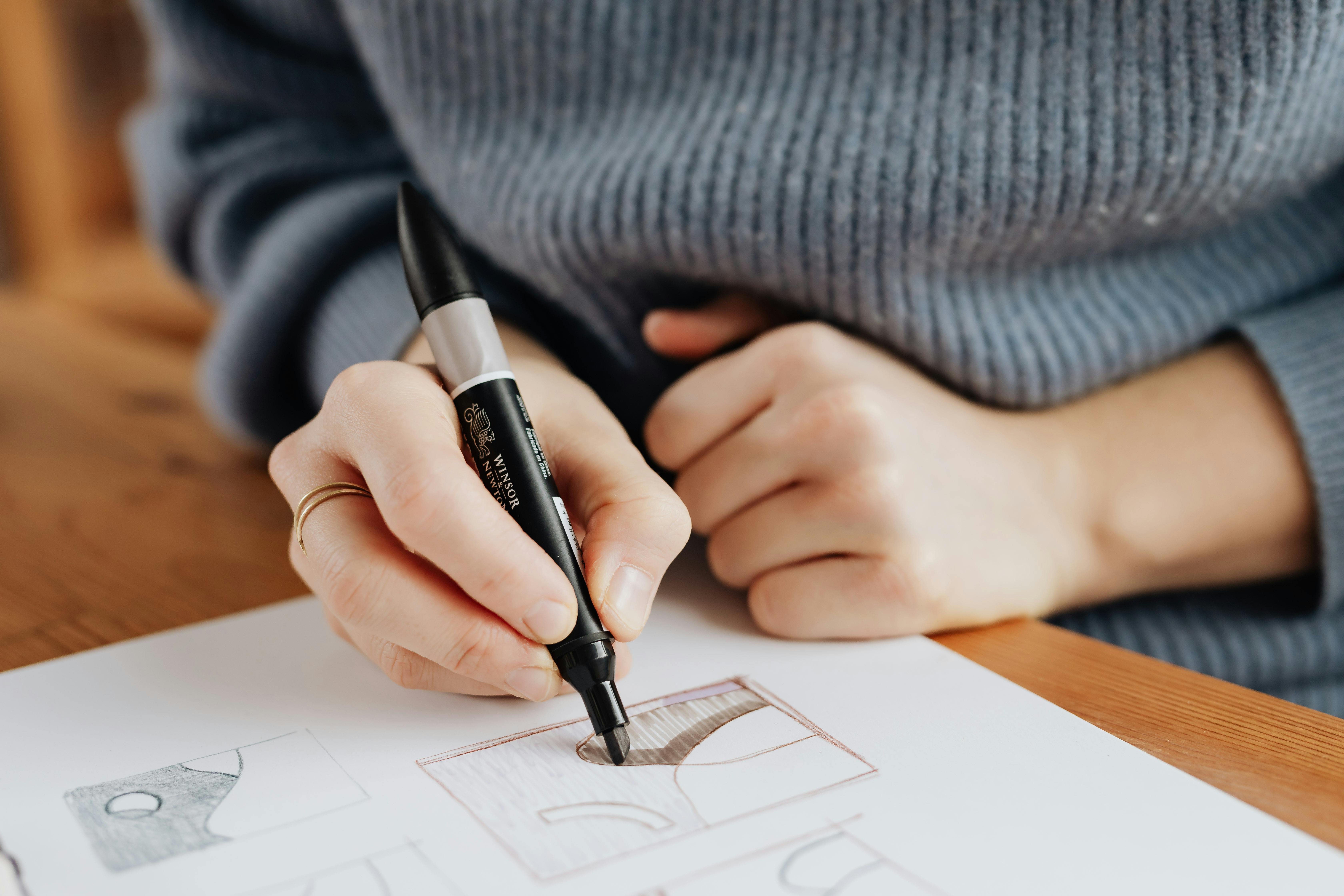
Every designer, regardless of their working model, relies heavily on a strong graphic design portfolio. It’s the visual proof of your skills, your problem-solving abilities, and your aesthetic sensibility. For freelance designers, it’s the primary tool to attract and convert clients, showcasing versatility and a broad range of capabilities. For in-house designers, it demonstrates a deeper understanding of specific industries, collaborative prowess, and the ability to drive business goals through design. A well-curated portfolio doesn’t just display what you’ve done; it tells a story of who you are as a designer and what you can achieve.
In-House Designer Portfolio: Emphasizing Specialization and Collaboration

When crafting a designer portfolio for an in-house design position, the emphasis shifts dramatically. Your primary goal is to demonstrate your ability to integrate seamlessly into a specific team and contribute to a company’s unique vision and objectives. An in-house portfolio often targets a specific role within a company, highlighting specialized skills and collaborative potential. This means showcasing projects that align with the company’s industry, brand, and design challenges. Prospective employers want to see that you can work within established brand guidelines, understand organizational goals, and contribute to long-term strategies. Collaboration, problem-solving within constraints, and alignment with company goals become paramount, showcasing your soft skills and suitability for a team environment.


Freelance Designer Portfolio: Showcasing Flexibility and Client Diversity

For Visual Thinkers pursuing a freelance career, your freelance portfolio serves a different purpose: attracting a diverse clientele. Your portfolio needs to scream versatility and adaptability. It aims to attract various clients by showcasing a broad range of skills and the ability to tackle different project types across multiple industries. This means presenting projects that highlight your ability to communicate effectively with clients, manage projects independently, and deliver results that meet varied business needs. Client communication, project management, and business acumen are crucial soft skills to emphasize, demonstrating your capability to handle the full scope of a project from conception to completion.
Crafting Your Portfolio: A Comparative Look at Structure and Content

The structure and content of your designer portfolio should reflect your career aspirations. While both types require high-quality work, the selection and presentation will differ:
- For Freelance Designers: Freelancers benefit from displaying a broad range of projects to demonstrate adaptability. Think about showcasing diverse styles, client types, and project scopes. A robust portfolio strategy here involves showing you can handle anything from logo design for a small startup to a full branding overhaul for an e-commerce business.
- For In-House Designers: In-house designers should focus on a few deep-dive Case Study projects relevant to their desired company’s industry or design challenges. Employers want to see your problem-solving process within specific contexts, highlighting your strategic thinking and impact within a team.
Strategic Project Curation: What Should You Showcase to Elevate Your Brand?

Curating your projects is an art in itself. It’s not about quantity, but quality and relevance. For your graphic design portfolio, always choose your absolute best work, even if it means having fewer projects. Each project should have a clear purpose in your portfolio. If you’re targeting a specific design career path, ensure your projects strongly align with that direction. For in-house roles, showcasing work that demonstrates your ability to work within brand guidelines, handle iterative design, or contribute to product development will be highly beneficial. For freelance roles, projects that highlight a diverse skill set, successful client collaborations, and impressive visual outcomes are key.
When presenting in-house work, remember the importance of an NDA (Non-Disclosure Agreement). You must respect confidentiality. Instead of showing proprietary details, focus on showcasing your process, the challenges you overcame, and the general impact of your work, often by anonymizing client information or creating hypothetical versions that demonstrate similar skills.
No Proof, No Trust: Why Your Portfolio Needs Real Results
Visual Thinkers, simply displaying finished designs isn’t enough. Both types of designers should quantify their impact, but the focus differs. A compelling Case Study is essential for both freelance and in-house portfolios. It provides context, explains your thought process, and most importantly, highlights the results. For freelancers, this means focusing on client satisfaction, project success, and how your design contributed to the client’s business goals, perhaps through increased engagement or sales. For in-house designers, demonstrating impact often involves highlighting contributions to product growth, efficiency improvements, or brand consistency, often backed by data and metrics. Showing the ‘why’ and the ‘what happened next’ elevates your portfolio from a mere collection to a powerful testament to your value.
Your Portfolio, Your Brand: How Personalization Builds Connection
Your designer portfolio is an extension of your professional identity. For freelancers, the portfolio is a direct tool for Personal Branding. Freelancers typically use their portfolio to build a strong personal brand that attracts their ideal clientele. This involves a consistent visual identity, a clear voice, and a unique perspective that sets you apart. For in-house designers, while personal branding is still important, it might subtly align their personal presentation with the company culture, focusing more on their technical and collaborative fit within the organization. It’s about demonstrating how your unique skills and personality enhance the existing team and contribute to the company’s mission.
Best Online Portfolio Platforms for Freelance and In-House Creatives
Choosing the right platform for your portfolio strategy is crucial for visibility and accessibility. Visual Thinkers have many options:
- For Freelance Designers: Freelancers often leverage platforms like Behance, Dribbble, or a personal website for broad visibility. These platforms allow for a wide reach and can act as a discovery tool for potential clients. A personal website offers the ultimate control over branding and presentation.
- For In-House Designers: In-house designers might rely on more tailored, often private, portfolios or company-specific showcases during interviews. While they might still have a public presence, their interview-specific portfolio might contain more sensitive or in-depth project details shared only under an NDA.
Portfolio Pitfalls: What Designers Should Avoid
Creating an impactful designer portfolio is essential, but it’s just as important to avoid common pitfalls:
- Lack of Context: Don’t just show images; explain the problem, your role, and the impact.
- Outdated Work: Always keep your portfolio fresh and relevant to your current skills and career goals.
- Too Many Projects: Quality over quantity. Showcase your best work, not all your work.
- Poor Presentation: Ensure high-resolution images, consistent formatting, and a user-friendly experience.
- Ignoring SEO: For online portfolios, use relevant keywords to improve discoverability.
- No Call to Action: Make it easy for potential clients or employers to contact you.
Your Portfolio, Your Path: How to Align Design with Career Direction

In the dynamic world of design, your designer portfolio is your most powerful asset. Whether you’re navigating the entrepreneurial path of a freelancer or building a specialized niche within an organization, understanding the distinct strategies for your portfolio is crucial. By carefully curating your projects, emphasizing relevant skills, and thoughtfully presenting your work, you can create a portfolio that not only showcases your talent but also effectively communicates your value proposition.
Remember, your portfolio is a living document that should evolve with your design career. Regularly review and update it to reflect your latest skills, experiences, and aspirations. A strategic and well-crafted portfolio will open doors, foster connections, and ultimately propel you towards your professional goals in the exciting world of visual communication and branding.
Ready to elevate your visual communication and branding? Contact Us today to discuss how we can help you achieve your design objectives. For more insights and resources, visit our Home page.
✍️ AIGA, Nielsen Norman Group, 99designs, Adobe, Smashing Magazine
Enhance Your Design Knowledge: YouTube References
Discover more from CiptaVisual
Subscribe to get the latest posts sent to your email.


