
Kimi K3 Controversy: A Wake-Up Call for Creative AI Users
Why relying on a single proprietary AI model exposes your agency to sudden shifts and how to build a resilient workflow.

When news broke regarding the unexpected model behavior, copyright friction, and prompt output shifts tied to Moonshot AI’s latest releases, creative freelancers and small agency teams across Europe and North America felt an immediate chill. The Kimi K3 controversy highlighted a vulnerability that thousands of independent designers, copywriters, and visual strategists had ignored for months: building a business on top of a single proprietary artificial intelligence engine is like renting a house built on sand.
For independent studios operating on tight budgets and strict client deadlines, generative tools promised speed and unprecedented scale. However, when an unexpected model update alters color reproduction, content filtering, or style outputs overnight, client deliverables break down. The recent fallout around Kimi K3 isn’t just another tech news story; it represents a major turning point for how creative practitioners manage technology risk in modern workflows.
Why the Kimi K3 Fallout Hits Independent Creatives So Hard
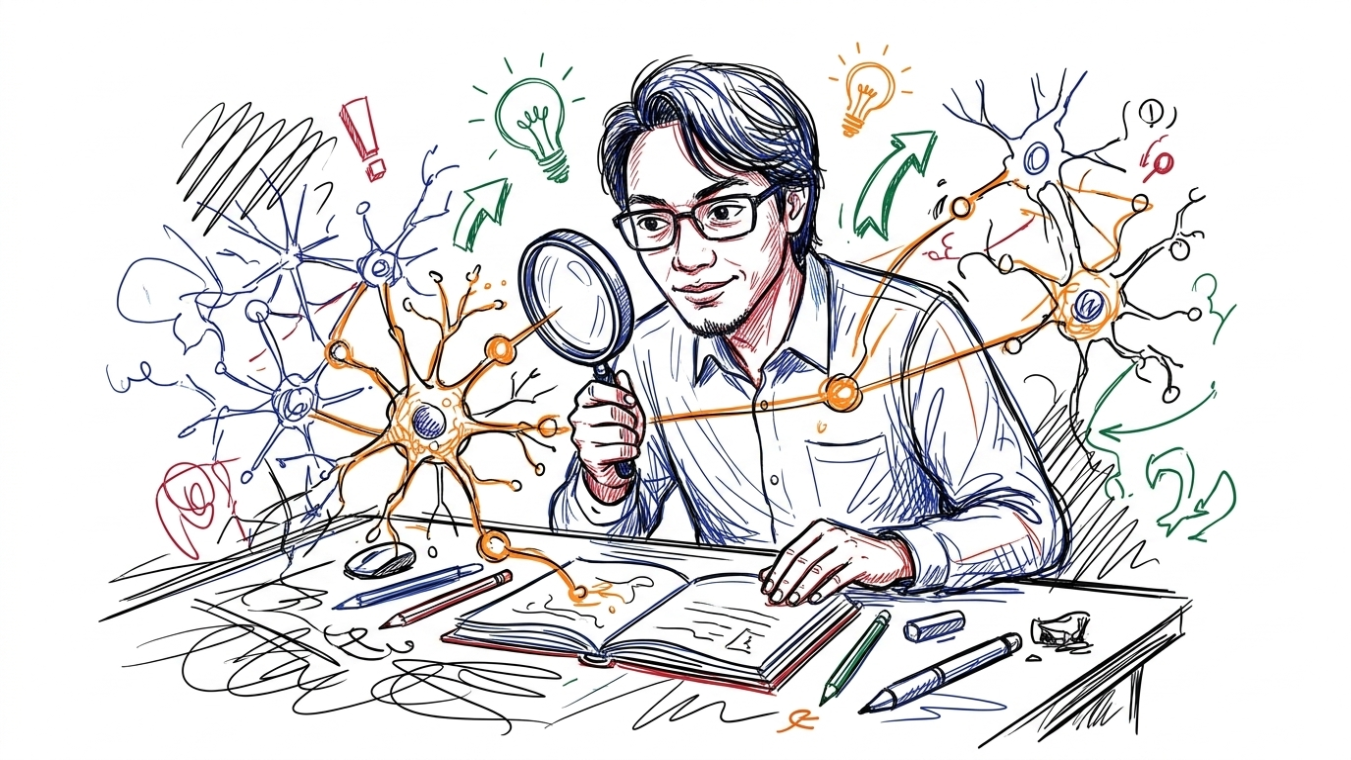
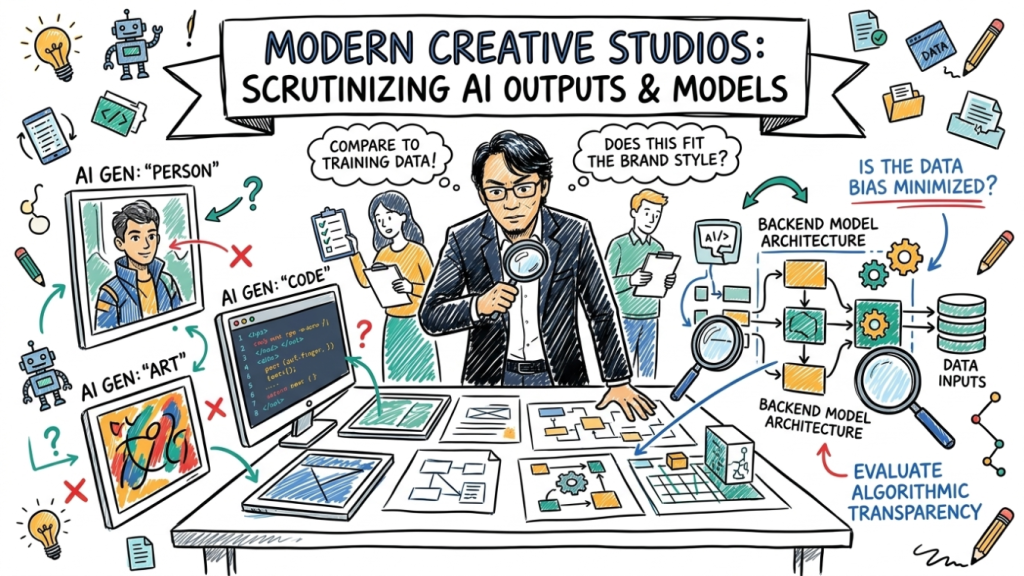
Small design shops rarely have dedicated legal compliance teams or custom software engineering departments. When a platform like Kimi K3 makes backend adjustments—whether tweaking guardrails, changing data retention policies, or modifying latent space outputs—solopreneurs suffer immediate financial impact. A studio in Berlin working on a 14-day brand identity sprint suddenly finds their generated visual assets displaying distinct artifacts or altered color profiles that fail client review standards.
According to recent research published by the Stanford Institute for Human-Centered Artificial Intelligence, closed-source foundation models frequently undergo silently deployed system updates. These shadow updates directly disrupt deterministic output requirements, leaving visual creators unable to replicate exact visual results produced just 48 hours earlier.


When you integrate AI tools into client workflows without a contingency strategy, you transfer backend platform volatility directly to your clients. That creates three major operational risks:
- Asset Inconsistency: Mid-project shifts in model logic ruin visual harmony across multi-channel campaigns.
- IP Ambiguity: Evolving legal terms of service leave client vector art and brand copy exposed to potential copyright challenges, as tracked by the U.S. Copyright Office AI Guidance.
- Financial Exposure: Re-doing days of generative exploration unpaid eats away at project profit margins.
To keep your client operations stable, mastering a structured AI graphic design workflow guide helps you balance automated generation with resilient manual controls.
Deconstructing Model Lock-In vs. Open Modular Workflows
The core lesson from the Kimi K3 controversy is the danger of vendor lock-in. When a creator relies 100% on a single API endpoint or web wrapper, any unexpected change by the provider halts client work entirely.
A resilient creative team treats foundation models as interchangeable components rather than absolute pillars of their brand. Industry analysis from Gartner Tech Insights suggests that organizations using multi-model redundancy experience 63% fewer operational delays when third-party cloud APIs alter their service terms or functional capabilities.
| Workflow Parameter | Single Proprietary Model (e.g. Solo Kimi/GPT) | Modular Redundant AI Architecture |
|---|---|---|
| Operational Continuity | High risk; total downtime during API changes or policy updates. | Zero downtime; seamlessly fallback to local or alternative cloud models. |
| Client IP Safety | Vulnerable to retroactively changed third-party terms of service. | High safety; controlled via local weights (e.g. Llama 3, SDXL) and private nodes. |
| Visual Consistency | Fluctuates wildly when underlying system prompts update silently. | Deterministic; enforced using locked seeds, LoRAs, and local control parameters. |
| Cost Predictability | Subject to sudden tier adjustments, rate limits, or token cost inflation. | Fixed overhead balanced between open-weight hardware and diverse cloud services. |
4 Practical Strategies to Shield Your Creative Studio
You do not need to abandon AI tools entirely to protect your creative studio. Instead, you must build robust contingency layers into your production pipeline.
1. Establish a Dual-Model Redundancy Protocol
Never rely on a single generative engine for critical client deliverables. If you use cloud platforms for conceptual brainstorming, pair them with local open-weight options like Stable Diffusion or Ollama-hosted LLMs on your workstation. When cloud guardrails or API models shift without notice, your local environment keeps project deadlines safe.
💡 Save seed values, custom system prompts, and raw text outputs locally in a dedicated project directory. If cloud rendering engine behavior changes mid-project, you can replicate visual style profiles using local control models without starting from scratch.
2. Root Digital Collateral in Timeless Design Foundations
Generative software excels at generating draft ideas, but core brand value comes from strong composition, typography, and human design logic. Relying entirely on raw generative outputs makes your work generic and legally uncertain. Grounding your output in fundamental brand identity design principles ensures your work stays memorable, distinctive, and fully copyrightable regardless of platform changes.
⚠️ Do not pass unedited vector or raster AI generations directly to your client as final assets. Unedited raw generations cannot be trademarked or protected under current United States and European Union intellectual property regulations.
3. Implement Client-Facing Transparency Disclosures
Educated clients value security and legal clarity over sheer speed. Explicitly outlining how your boutique studio handles data privacy, prompt scrubbing, and asset generation builds long-term trust. Following recognized ethics guidelines, such as those published by the IEEE Global Initiative on Ethics of Autonomous Systems, sets your service apart from low-cost competitors who blindly copy-paste raw platform outputs.
4. Optimize Local Marketing Position Around Expertise, Not Automation
When clients realize that raw generative tools are unpredictable, they seek steady experts who guarantee quality and brand safety. Position your studio around problem-solving, strategic insight, and visual polish. Leveraging targeted local SEO for creative studios lets you capture high-value clients looking for trustworthy design partners who protect their intellectual property.
📌 Auditing user experience standards using references like Nielsen Norman Group UX Studies ensures that your AI-assisted layouts maintain real usability and accessibility standards across all device screens.
Creative AI Risk Management Checklist
Use this practical checklist to audit your agency setup and stay protected against unexpected platform changes like the Kimi K3 controversy:
- [x] Multi-Tool Redundancy: Are active subscriptions maintained across at least two independent cloud AI ecosystems?
- [x] Local Workstation Fallbacks: Is an open-weight image or text model installed locally on studio hardware for emergency off-line work?
- [x] Client Prompt Scrubbing: Are strict data isolation protocols enabled to block client proprietary data from model training?
- [x] Vector & Typography Manual Layering: Is every final asset modified manually in standard design tools before delivery?
- [x] Seed & Parameter Archiving: Are prompt logs, seed keys, and version histories archived in organized client folders?
- [x] Accessibility & Standard Audits: Are digital designs validated against international standards like W3C Accessibility Guidelines?
Real-World Lessons: How Small Studios Adapted
Consider a boutique brand agency in London that relied heavily on cloud generative tools for client presentation decks. During a major pitch preparation, sudden policy changes caused key visual elements to be filtered out, delaying deliverables by 36 hours. After updating their workflow to a hybrid model that uses local open-weight software alongside traditional layout tools, they cut platform dependency entirely. They now deliver client projects on schedule regardless of remote API shifts.
Similarly, a freelance digital marketer in Austin revised her service agreements to clearly explain human-in-the-loop editing. By positioning AI as a fast drafting tool while emphasizing her human oversight, she raised her project rates by 28% and won clients who value legal safety and creative consistency.
Research published in Harvard Business Review highlights that clients willingly pay premium rates to boutique providers who offer clear legal guarantees and operational safety over low-cost automated alternatives.
Conclusion: Turning Platform Volatility Into Your Strategic Advantage
The Kimi K3 controversy serves as an essential wake-up call for creative freelancers and agency owners worldwide. Relying blindly on proprietary black-box algorithms exposes your creative business to sudden operational halts and copyright risks. By adopting redundant model workflows, grounding projects in timeless design fundamentals, and maintaining full transparency with clients, you transform industry uncertainty into a distinct market advantage.
How is your studio adapting its workflow in response to these recent platform changes? Share your strategies and join the conversation in our community forum below!
Discover more from CiptaVisual
Subscribe to get the latest posts sent to your email.


