


Forgotten Image SEO Secrets: How to Name Files & Alt Text for Google Search

As Visual Thinkers, you pour your heart and soul into creating stunning visuals. Whether it’s a captivating graphic, an intricate illustration, or a powerful photograph, your work tells a story. But what if those stories aren’t being found by the very audience they’re meant for? This is where the often-overlooked power of Image SEO comes into play.
It’s more than just aesthetics; it’s about giving your brilliant visuals the digital voice they deserve. In this comprehensive guide, we’ll uncover the forgotten secrets of Image SEO, focusing on strategic file naming and descriptive alt text. Prepare to transform your approach and ensure your visual content consistently appears in Google Search, driving traffic and amplifying your creative impact.
Introduction: Why Image SEO is Often Overlooked But Crucial

In the vibrant world of digital marketing and graphic design, we often prioritize compelling visual narratives and cutting-edge aesthetics. Yet, the technical details that govern how these visuals perform online, specifically Image SEO, often get pushed to the backburner. This oversight is a missed opportunity for countless Visual Thinkers.
Effective Image SEO is the invisible hand guiding search engines to understand and showcase your visual content. Without it, even the most breathtaking images can remain hidden in the vast digital landscape. It’s about more than just getting seen; it’s about ensuring your images are correctly interpreted by algorithms that don’t “see” in the same way humans do.



Think of it as translating your visual masterpieces into a language Google understands. By optimizing image file names and crafting descriptive alt text, you provide crucial contextual clues. This helps your images rank higher, attract targeted audiences, and ultimately contribute significantly to your overall search engine optimization performance.
Unexpected Benefits of Image SEO for Creatives (Graphic Designers & Digital Marketers)
For Visual Thinkers, the benefits of mastering Image SEO extend far beyond simple rankings. It’s an empowering strategic tool that enhances every facet of your digital presence. When your images are optimized, they don’t just exist online; they actively work to build your brand and attract opportunities.
This includes elevating user experience, which Google increasingly values. Faster loading images, for example, keep visitors engaged and reduce bounce rates. Moreover, optimized images can become powerful assets for driving organic traffic, particularly from visual searches.
Driving More Targeted Organic Traffic

One of the most exciting advantages of strong Image SEO is its ability to attract highly targeted organic traffic. When someone searches for a specific product, service, or concept, and your optimized image appears in Google Images or regular web search, it’s a direct connection to a motivated user.
For a graphic designer showcasing a portfolio, an optimized image of “minimalist branding for tech startup” can lead directly to a potential client. For a digital marketer promoting a product, an image of “ergonomic office chair with lumbar support” can capture someone ready to buy. These are not just casual browsers but individuals with clear intent.
By aligning your image optimization with specific user search queries, especially for visual searches, you significantly boost engagement. This precision targeting translates into higher quality leads, increased conversion rates, and a stronger online presence for your brand and your clients.
The Secret to Effective Image File Naming for Image SEO
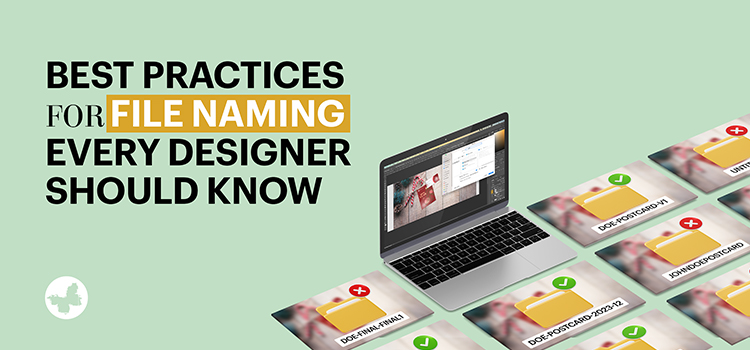
The journey to powerful Image SEO begins before your image even leaves your design software: with its file name. This seemingly minor detail is a crucial signal to search engines about the content of your visual. A well-named file is descriptive, clear, and incorporates relevant keywords naturally.
Avoid generic names like “image001.jpg” or “screenshot.png.” Instead, think about what someone would type into Google to find your image. Use hyphens to separate words for readability (e.g., “blue-modern-logo-design.jpg”), and keep it concise yet informative. This simple practice significantly aids search engines in categorizing and presenting your visuals to the right audience.
Good vs. Bad File Naming Examples
- Bad:
IMG_8765.jpg(Completely uninformative) - Bad:
redcar.jpg(Too generic, misses context) - Good:
vintage-red-sports-car-classic-collection.jpg(Descriptive, uses keywords, easy to read) - Good:
ciptavisual-brand-identity-guidelines-mockup.png(Specific, includes brand name and context) - Good:
digital-marketing-strategy-infographic-2024.webp(Relevant keywords, year, and file type)
As Visual Thinkers, you understand the power of clear communication. Apply that same principle to your file names. Each file name is an opportunity to tell Google what your image is about, directly impacting its visibility and ranking for relevant search queries.
Optimizing Alt Text: The Bridge Between Images and Google
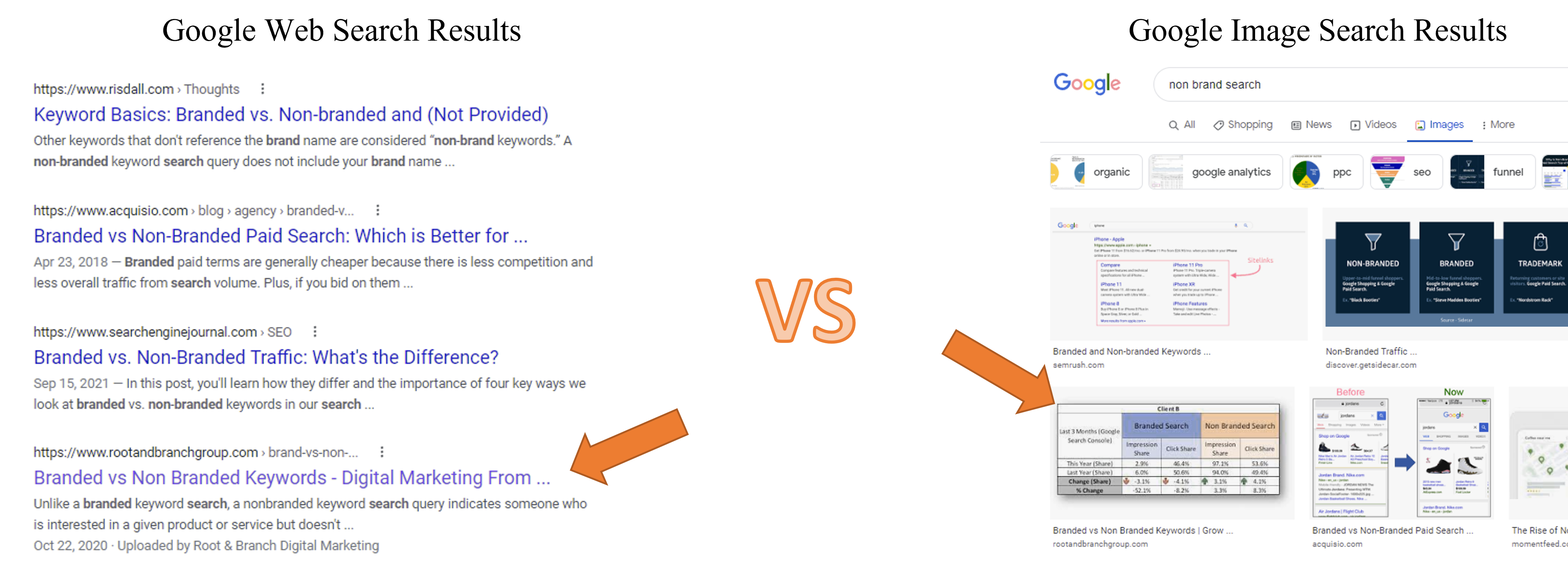
Beyond file names, alt text (alternative text) is perhaps the most critical component of Image SEO. It serves two vital functions: accessibility for visually impaired users who rely on screen readers, and providing search engines with a textual description of your image content. When an image fails to load, the alt text appears in its place, maintaining context for the user.
For Visual Thinkers, alt text is your chance to explicitly describe the visual story your image tells. It’s a direct line to Google’s algorithms, helping them understand the subject matter, context, and relevance of your image to surrounding content and search queries. Crafting compelling alt text means being descriptive, concise, and incorporating relevant keywords naturally, without keyword stuffing.
Effective Alt Text Examples for Various Image Types
- For a product image:
<img src="[product-image.jpg]" alt="Luxurious velvet armchair in emerald green with brass legs"> - For an infographic:
<img src="[infographic.png]" alt="Infographic detailing the 5 steps to effective Image SEO for creatives"> - For a portrait:
<img src="[profile-pic.jpg]" alt="Headshot of professional graphic designer Sarah Chen smiling"> - For a logo:
<img src="[logo.png]" alt="Cipta Visual logo, a stylized 'C' intertwined with an eye icon"> - For a complex design concept:
<img src="[design-concept.webp]" alt="Abstract digital art piece representing global connectivity and data flow">
Remember, the goal of alt text is to accurately convey the image’s content and purpose. Think of it as a brief, eloquent caption for Google and screen readers. Prioritize clarity and value, and you’ll dramatically enhance your image’s discoverability through improved Image SEO.
Beyond File Name & Alt Text: Other Image SEO Factors

While file naming and alt text are foundational, comprehensive Image SEO involves several other critical factors that Visual Thinkers should master. These elements contribute to faster page load times, better user experience, and improved search engine indexing. Ignoring them means leaving potential traffic and engagement on the table.
Image compression, responsive design, and structured data are all pieces of the puzzle. Google’s algorithms increasingly value speed and mobile-friendliness, making these technical considerations as important as the visual content itself. Ensuring your images are optimized across these aspects creates a seamless and high-performing experience for all users.
Image Sitemaps and Lazy Loading
- Image Sitemaps: Just like a regular XML sitemap helps Google discover your web pages, an image sitemap helps Google find and index images that might otherwise be missed. This is especially useful for images loaded via JavaScript. By explicitly listing your image URLs, you ensure Google is aware of all your visual assets, boosting their chances of appearing in image search results and enhancing your overall Image SEO.
- Lazy Loading: This technique defers the loading of images until they are actually needed (i.e., when they enter the user’s viewport). Instead of loading all images at once, which can significantly slow down page speed, lazy loading prioritizes content above the fold. This dramatically improves initial page load times, a key ranking factor for Google, and enhances user experience, especially on mobile devices. Most modern WordPress themes and plugins offer lazy loading capabilities out of the box.
By implementing these advanced Image SEO techniques, Visual Thinkers can ensure their masterpieces are not only beautiful but also perform optimally across all platforms and devices, reaching the widest possible audience.
Case Study: Creatives Who Succeeded with Image SEO

Meet “Flora & Frame,” a small but ambitious photography and graphic design studio specializing in bespoke wedding invitations. They produced stunning visuals, but their online presence was stagnant. Despite having a beautiful portfolio on their WordPress site, traffic was low, and they struggled to stand out in a competitive market.
Working with an SEO specialist, Flora & Frame implemented a rigorous Image SEO strategy. They meticulously renamed every image file in their portfolio, using descriptive keywords like “rustic-wedding-invitation-floral-design” and “elegant-gold-foil-save-the-date.” Crucially, they crafted unique, detailed alt text for each image, describing not just the image but its creative intent and style.
Within six months, their image search traffic soared by 150%. Queries like “custom wedding stationery designer” and “unique floral invitation designs” frequently led users directly to their portfolio images. This spike in visibility translated into a 40% increase in inquiries and booked projects. Flora & Frame’s success story is a testament to the power of strategic Image SEO: turning forgotten details into a powerful growth engine for Visual Thinkers.
Visual Conclusion: Unleashing Your Creative Visibility
For us Visual Thinkers, every pixel, every line, and every hue carries meaning. It’s time to extend that meticulous attention to detail to how our visuals are discovered online. Mastering Image SEO isn’t just a technical chore; it’s a creative imperative, ensuring your work finds its audience and makes the impact it deserves.
By consciously optimizing file names, crafting insightful alt text, and embracing other SEO best practices, you elevate your brand, enhance user experience, and unlock unprecedented organic reach. Your art deserves to be seen, and with effective Image SEO, it will be.
If you’re looking to transform your brand’s digital presence with captivating design, impactful branding, or strategic social media management, Cipta Visual is here to help. We blend artistic vision with digital marketing expertise to create solutions that resonate and deliver results.
Ready to build a powerful online home for your creative endeavors? We specialize in professional WordPress website creation services, delivering modern, visually stunning platforms that are not only aesthetically pleasing but also fully optimized for SEO. Our sites are reliable, customizable, and designed to help your brand thrive online. Let’s create something extraordinary together that truly stands out in the digital crowd. Reach out today for a consultation via email or visit our portfolio at Cipta Visual to see how we empower Visual Thinkers.
YouTube Recommendations for Deeper Image SEO Insights
For those Visual Thinkers eager to dive even deeper into the nuances of image optimization, these recommended YouTube videos offer valuable insights and practical demonstrations to further enhance your Image SEO skills:
Sources & References for Visual Thinkers
To further explore the principles and advanced techniques of Image SEO, we recommend consulting these reputable sources. They provide foundational knowledge and up-to-date best practices that will empower Visual Thinkers in their digital marketing journey: Google Webmaster Guidelines, Moz, Search Engine Journal, SEMrush.
Written with insights from Cipta Visual — helping Visual Thinkers blend creativity, strategy, and storytelling to build stronger brands.
Discover more from CiptaVisual
Subscribe to get the latest posts sent to your email.


