


Unlock Creative Potential: AI Tools for Wireframe to Prototype
Your Designs Just Got Smarter: The Secret AI Tools for Wireframe to Prototype

In my experience, the design industry is in constant flux, and staying ahead means embracing the next wave of innovation. For us Visual Thinkers, the integration of Artificial Intelligence (AI) into the UI/UX design process, specifically from wireframing to prototyping, isn’t just a trend—it’s a transformative shift. This evolution is rapidly reshaping traditional design workflows, offering graphic designers and digital marketers unexpected benefits, enhancing efficiency, fostering creativity, and enabling more data-driven design decisions. AI tools for wireframe to prototype are becoming indispensable for streamlining tasks, accelerating iteration cycles, and ultimately delivering superior user experiences.
The dawn of AI in design marks a new era where we’re empowered to transcend repetitive tasks and focus on the strategic, creative problem-solving that truly makes a difference. This article will guide you through the practical solutions and strategic advantages of leveraging AI, equipping you with the knowledge to revolutionize your design process and unlock unprecedented creative potential.
I. The Dawn of AI in Design: A New Era for Creatives
For Visual Thinkers like us, the world of design is constantly evolving, and the current revolution is undeniably powered by Artificial Intelligence. The transformative impact of AI on design workflows is undeniable, fundamentally changing how we approach everything from initial concept to final execution. This isn’t just about automation; it’s about a paradigm shift that promises to redefine efficiency and creativity in equal measure. AI is revolutionizing traditional wireframing and prototyping, allowing designers to move faster and with greater precision than ever before.
Recent trends highlight a strong focus on leveraging AI for enhanced usability testing and meticulous design, aiming for high prototype performance scores. The integration of AI extends beyond mere tools, becoming crucial for streamlining workflows and boosting project efficiency in UI/UX design and prototyping. This means less time spent on mundane tasks and more on strategic thinking. Furthermore, AI’s application is now reaching into automated content creation, like video generation, showcasing its versatile role in creative automation ` `.


This widespread adoption of AI across various creative and business processes underscores its profound impact on digital marketing and graphic design. We are moving into an era where AI acts as an extension of our creative capabilities, enabling us to manage complex design requirements with greater ease and deliver more impactful results. As experienced SEO Content Writers and WordPress Specialists, we recognize that embracing these changes is not just an advantage—it’s a necessity for staying competitive and continually innovating.
II. Beyond Automation: Unexpected Creative Benefits of AI Tools
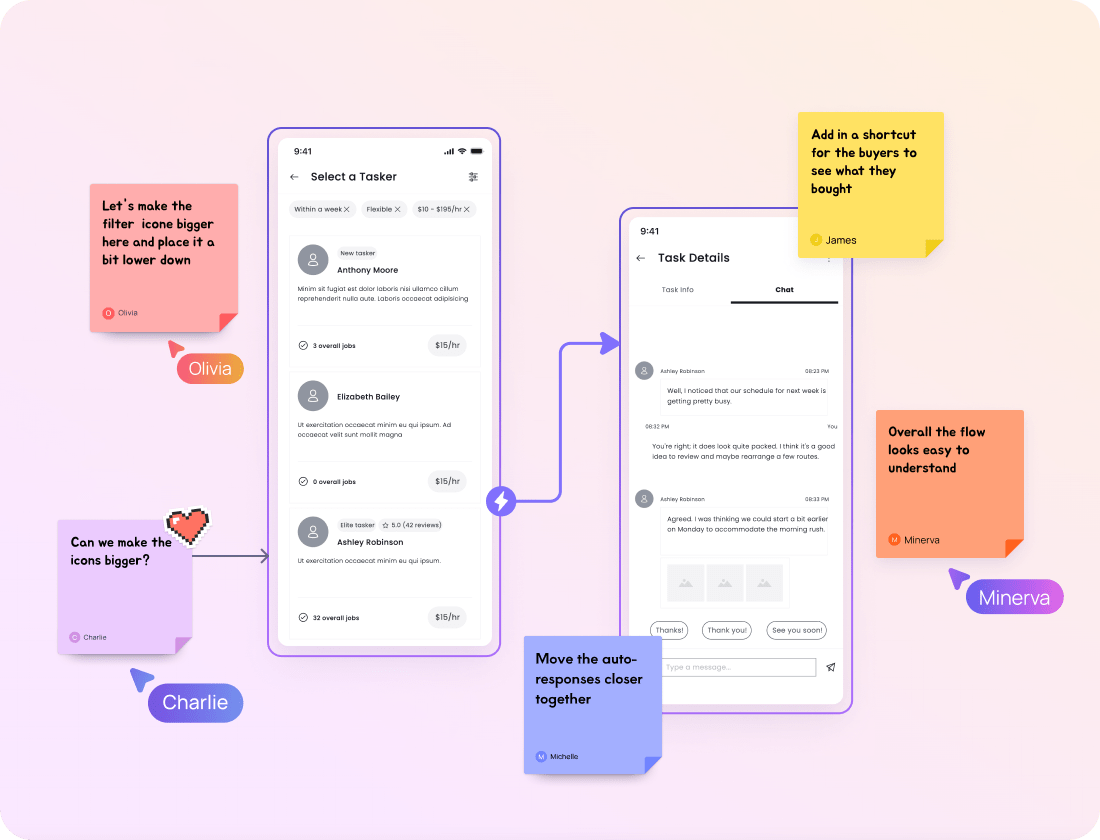
When we talk about AI in design, it’s easy to focus solely on automation and efficiency. However, in my experience, the true magic lies in the unexpected creative benefits these AI tools bring. AI fosters innovation by enabling us Visual Thinkers to explore a far wider range of diverse and imaginative solutions than traditionally possible. Imagine an AI generating countless design options based on your initial parameters, or suggesting improvements you might never have considered. This liberates us from creative blocks and expands our design horizons exponentially.
For instance, some AI tools for wireframe to prototype can analyze current design trends and user preferences, then generate unique layouts or component styles that align with both aesthetic appeal and functional effectiveness. This doesn’t replace our creativity; it amplifies it. We can then refine these AI-generated suggestions, infusing our unique brand voice and strategic vision. This collaborative process allows us to rapidly prototype variations, test different visual directions, and make more informed creative decisions, pushing the boundaries of what’s possible in design. It’s about leveraging AI as a creative partner, not just a tool.
This enhanced creative exploration leads to more distinctive and user-centric designs, ultimately elevating the quality and impact of our work as graphic designers and digital marketers. AI helps us move beyond generic solutions to truly innovative designs that capture attention and drive engagement. The ability to quickly visualize and iterate on complex ideas means we can dedicate more mental energy to the high-level strategic thinking that defines truly exceptional projects.
III. From Sketch to Structure: Streamlining Wireframing with AI

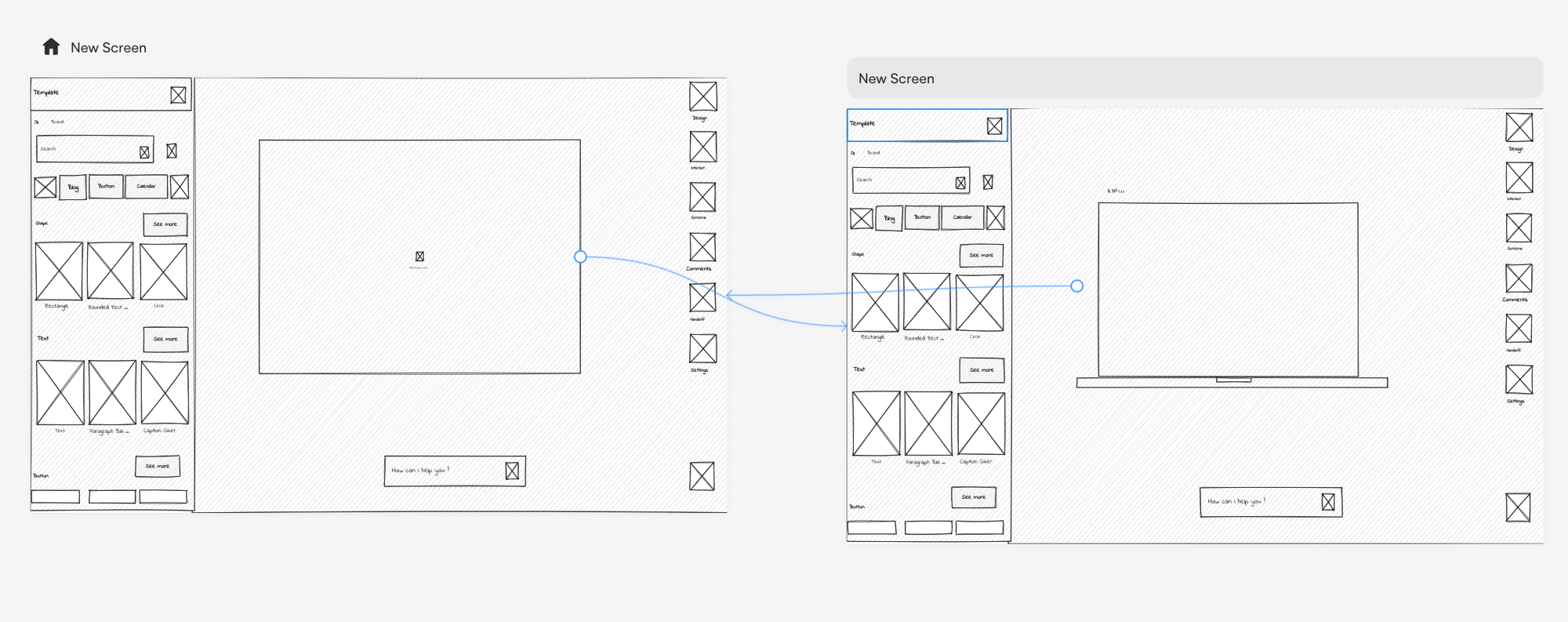
Wireframing, the foundational blueprint of any UI/UX project, can often be a time-consuming process. But for us Visual Thinkers, AI is transforming this initial stage, making it faster, more efficient, and incredibly consistent. AI-powered features are now accelerating wireframe creation, taking us from a rough sketch to a structured layout in a fraction of the time.
One of the most impactful AI features is auto-layout generation. Imagine simply providing a few key parameters or even a rough drawing, and AI instantly suggests optimal layouts, arranging elements logically and aesthetically. This not only saves hours but also ensures a consistent design language from the outset. Furthermore, AI tools offer intelligent component suggestions. As you build, the AI recognizes patterns and context, recommending common UI elements like navigation bars, forms, or content blocks that fit seamlessly into your design structure. This dramatically reduces repetitive tasks and allows you to focus on the unique aspects of your project.
For example, a designer working on an e-commerce platform can input content requirements, and the AI will suggest various product display layouts, checkout flows, and user profile structures, all while maintaining a cohesive design ` ` . This level of automation means we can spend less time dragging and dropping, and more time on the strategic placement and user journey optimization that truly matters. The efficiency and consistency brought by these AI tools for wireframe to prototype ensure that our foundational designs are robust, well-structured, and ready for the next stage of development.
IV. Bringing Designs to Life: AI in Prototype Development
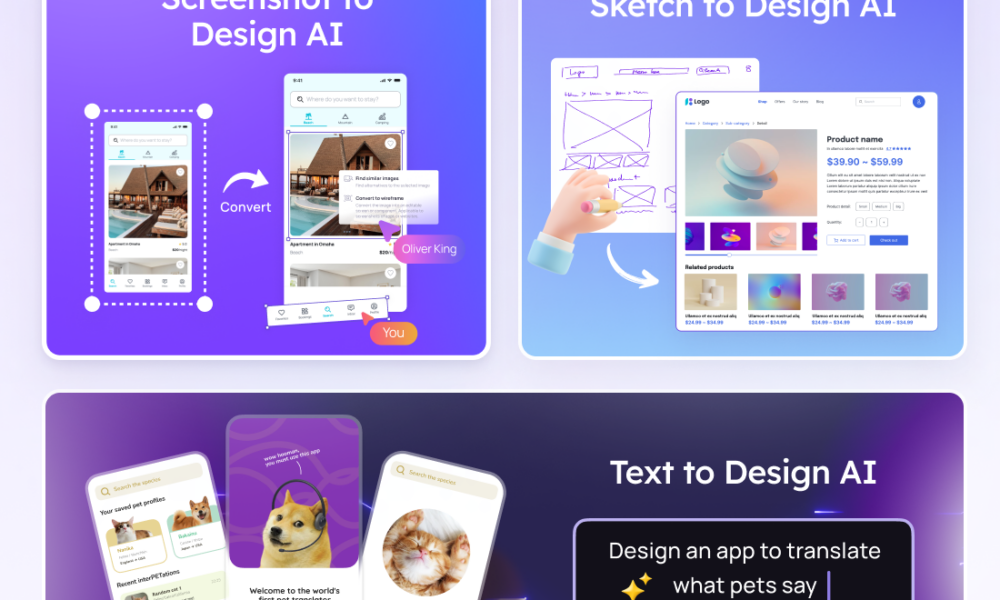
Once a wireframe is solid, the next crucial step for Visual Thinkers is transforming it into an interactive prototype. This is where AI truly shines, breathing life into static designs with minimal effort. AI tools for wireframe to prototype are revolutionizing how we create engaging user experiences, making prototypes more dynamic and realistic than ever before.
AI can automate the generation of animations and micro-interactions that traditionally required painstaking manual work. For example, hover effects, subtle transitions between screens, and dynamic content loading can all be suggested and implemented by AI based on common UI/UX patterns and user expectations. This means less time tweaking bezier curves and more time focusing on the overall user flow. Furthermore, AI excels at user flow generation, analyzing your wireframe and suggesting logical pathways through the application, complete with appropriate transitions and interactive elements. This ensures a smooth and intuitive user journey, anticipating how users will navigate and interact with the prototype ` `.
Some advanced AI systems can even simulate user input and predict potential interaction points, allowing us to build more robust and intelligent prototypes. This capability is invaluable for digital marketers who need to visualize user engagement paths and conversion funnels with high fidelity before significant development resources are committed. By leveraging AI in prototype development, we can create compelling, interactive experiences faster and with greater precision, bridging the gap between concept and reality.
V. Smarter Iteration: AI-Powered Usability Testing and Feedback
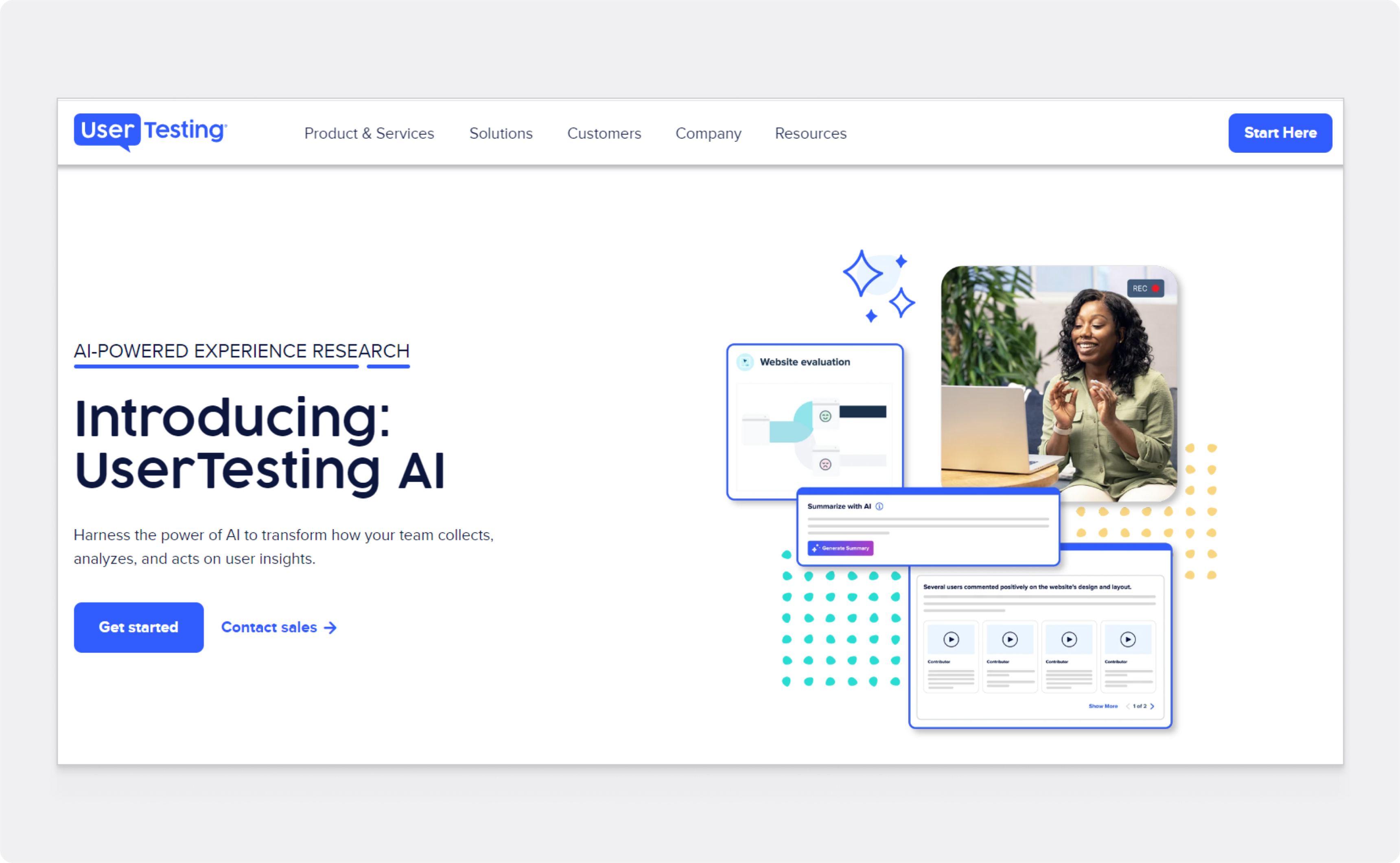
For Visual Thinkers committed to creating truly user-centric designs, iteration based on feedback is paramount. AI-powered usability testing and feedback mechanisms are dramatically speeding up this process, making iteration smarter and more data-driven. Once a prototype is developed, AI can step in to analyze user behavior, offering actionable insights that were previously difficult and time-consuming to gather.
AI tools can track user interactions, identify common navigation patterns, and even predict potential user pain points before real users even touch the prototype. For instance, an AI might detect that a particular button is frequently overlooked or that a form field causes user hesitation. By analyzing these subtle cues, the AI can suggest specific design improvements, such as repositioning an element, refining micro-copy, or simplifying a user flow. This predictive analysis allows us to proactively address usability issues, leading to a much smoother and more intuitive final product ` ` .
This rapid, data-backed feedback loop is a game-changer for digital marketers and graphic designers. Instead of waiting for extensive manual user testing results, AI provides near real-time insights, allowing for quicker adjustments and more effective iterations. This accelerates the design cycle, reduces costly reworks, and ensures that the final design is finely tuned for optimal user experience and performance. Embracing these AI tools for wireframe to prototype means our designs are not just aesthetically pleasing, but also functionally superior and deeply aligned with user needs.
VI. Navigating the AI Landscape: Choosing the Right Tools
The landscape of AI tools for wireframe to prototype is rapidly expanding, and for us Visual Thinkers, knowing how to navigate it and choose the right solutions is key. Not all AI tools are created equal, and selecting the most effective ones requires a clear understanding of your specific project needs and workflow.
When evaluating AI design assistants and platforms with integrated AI features, consider these criteria: First, look for tools that offer seamless integration with your existing design stack, such as Figma plugins, to avoid workflow disruptions ` ` . Compatibility is crucial for maintaining efficiency. Second, assess the tool’s AI capabilities – does it offer advanced features like intelligent layout generation, predictive analytics for user behavior, or robust animation assistance? Third, consider the learning curve and user-friendliness; the best tools are powerful yet intuitive. Finally, review the tool’s scalability and community support, as these factors impact long-term usability and problem-solving.
Different categories of AI tools exist: some specialize in generating design variations, others in automating interactive elements, and some focus on user feedback analysis. For example, if your priority is rapid wireframe creation, look for tools with strong auto-layout and component suggestion features. If you need to refine user flows, prioritize AI that offers advanced prototype interaction and testing. By carefully evaluating these aspects, we can make informed decisions, ensuring that the AI tools we integrate truly enhance our capabilities as graphic designers and digital marketers, rather than adding complexity. This strategic selection is vital for maximizing the benefits of AI in our daily design practice.
VII. The Designer’s Evolved Role: Collaborating with AI
As Visual Thinkers, we often ponder the future of our profession in the age of AI. The truth is, AI is not a replacement for human creativity; rather, it’s an empowering partner. The designer’s role is evolving into a symbiotic collaboration with AI, where human ingenuity and strategic thinking remain the driving force. AI takes on the heavy lifting of repetitive, data-intensive, and computationally complex tasks, freeing us to focus on the higher-level conceptualization, emotional connection, and unique storytelling that only humans can provide.
Think of AI as a highly efficient assistant, able to generate countless variations, analyze vast datasets, and automate intricate processes. Our role becomes that of a conductor, guiding the AI, setting the creative direction, and making the final strategic decisions. We bring the empathy for the user, the understanding of brand identity, and the intuition for aesthetic appeal that machines simply cannot replicate. The enduring value of human creativity and strategic thinking is amplified, not diminished, by AI. We become more efficient, more precise, and ultimately, more impactful in our designs.
Embracing this collaborative model means that as graphic designers and digital marketers, we become curators, innovators, and strategic thinkers. We use AI tools for wireframe to prototype to execute faster, but our vision and creativity remain at the core. This partnership allows us to deliver designs that are not only visually stunning and highly functional but also deeply resonate with target audiences, ensuring that our work maintains its unique, human touch in a rapidly advancing digital world.
VIII. Future-Proofing Your Design Career with AI
For us Visual Thinkers, the integration of AI into design workflows is more than just a passing trend—it’s a foundational shift that promises to redefine the industry. Embracing AI tools for wireframe to prototype is no longer an option but a strategic imperative for future-proofing our design careers. The long-term advantages are clear: increased efficiency, enhanced creativity, data-driven decision-making, and the ability to handle more complex projects with greater ease.
As the design landscape continues to evolve, continuous learning and adaptation will be our greatest assets. Staying abreast of the latest AI advancements, understanding how to effectively integrate these tools into our workflows, and honing our unique human creative skills will ensure we remain at the forefront of the creative industry. By leveraging AI to automate mundane tasks, we gain valuable time to invest in strategic thinking, concept development, and cultivating deeper client relationships.
Ultimately, AI empowers us to be more innovative, responsive, and effective designers and marketers. It allows us to deliver exceptional user experiences at an unprecedented pace, solidifying our value in an ever-competitive market. The future belongs to those who view AI not as a threat, but as a powerful ally, continuously learning and adapting to stay ahead in the evolving creative industry.
Visual Conclusion: Crafting the Future, One Pixel at a Time
We Visual Thinkers know that the journey from wireframe to interactive prototype is critical, and AI has undeniably transformed this path. We’ve explored how AI tools for wireframe to prototype go beyond mere automation, unlocking unexpected creative benefits, streamlining workflows, and empowering us with data-driven insights for smarter iterations. This technology liberates us to focus on the advanced creative problem-solving and strategic thinking that truly sets our work apart, ensuring our designs are not just good, but exceptional.
If you’re looking to elevate your brand’s presence with cutting-edge design and strategic digital marketing, Cipta Visual is here to help. Our expertise spans comprehensive creative services, including bespoke graphic design, impactful branding strategies, and innovative digital marketing campaigns tailored to your unique vision. We understand the nuances of integrating advanced tools to deliver results that resonate and convert.
Beyond creative services, we specialize in building professional WordPress websites that embody modern design principles, robust SEO optimization, and unwavering reliability. A strong online presence is the bedrock of any successful venture, and our custom WordPress solutions are crafted to be visually stunning, highly functional, and fully scalable to grow with your business. We ensure your digital storefront is not just beautiful, but also a powerful marketing asset.
Ready to transform your ideas into stunning digital realities? Let’s collaborate. Reach out to discuss your next project and discover how we can help you achieve your goals. For direct inquiries, email us at ciptanetwork@gmail.com, or explore our services and portfolio at Cipta Visual.
YouTube Recommendations for Visual Thinkers
For a deeper dive into the practical application of AI in UI/UX design, these videos offer invaluable insights into leveraging AI from wireframe to prototype:
Sources & References for Visual Thinkers
Our insights are informed by comprehensive research from leading platforms, ensuring you receive the most current and reliable information. Explore these notable sources for further reading:
Written with insights from Cipta Visual — helping Visual Thinkers unlock unprecedented creative potential and build impactful digital experiences.
Discover more from CiptaVisual
Subscribe to get the latest posts sent to your email.
